What We Do
Overview
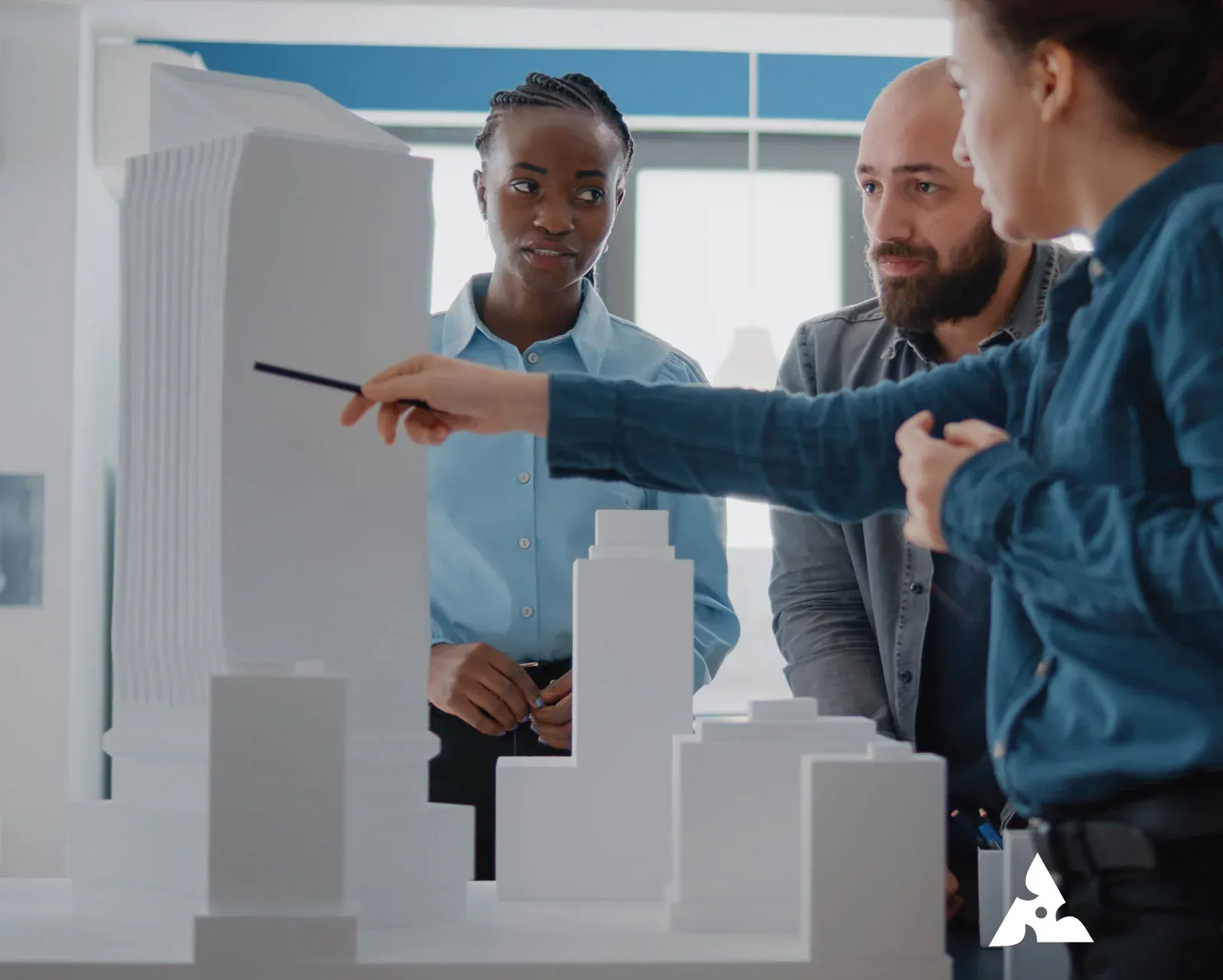
An engineering model is a detailed 3D representation of a complex machine, product, or structure. It allows engineers, designers, and clients to clearly see and understand how a design will look and function in real life — before a single component is manufactured.
Engineering model making is the process of turning technical drawings and concepts into a physical or digital model. It enables teams to test, evaluate, and refine designs with full accuracy and confidence.
From transformers and turbines to heat exchangers and engine rooms, our models are precision-built to exact scale — giving clients a powerful visual tool for presentations, training, and approvals.
Our Work
Every model is a commitment to precision and craftsmanship. Explore our portfolio of high-impact architectural exterior models.
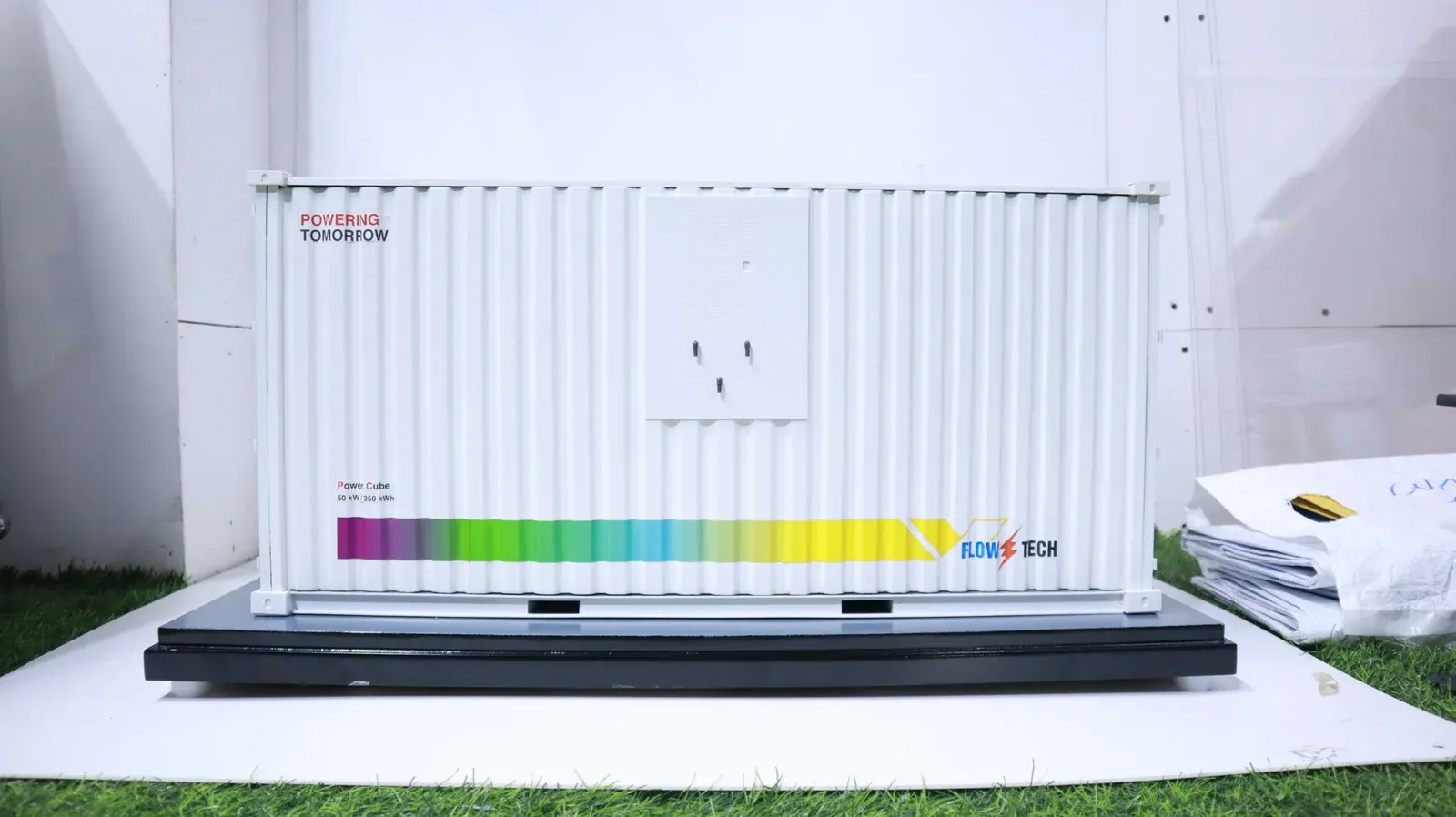
10 KW Power Cube Model
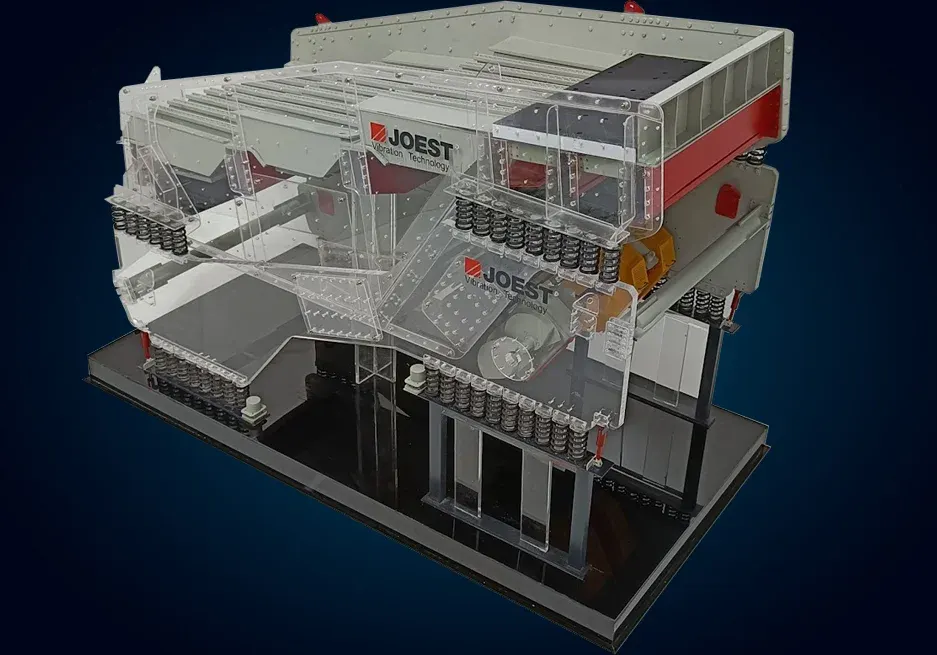
Engineering Miniature Model
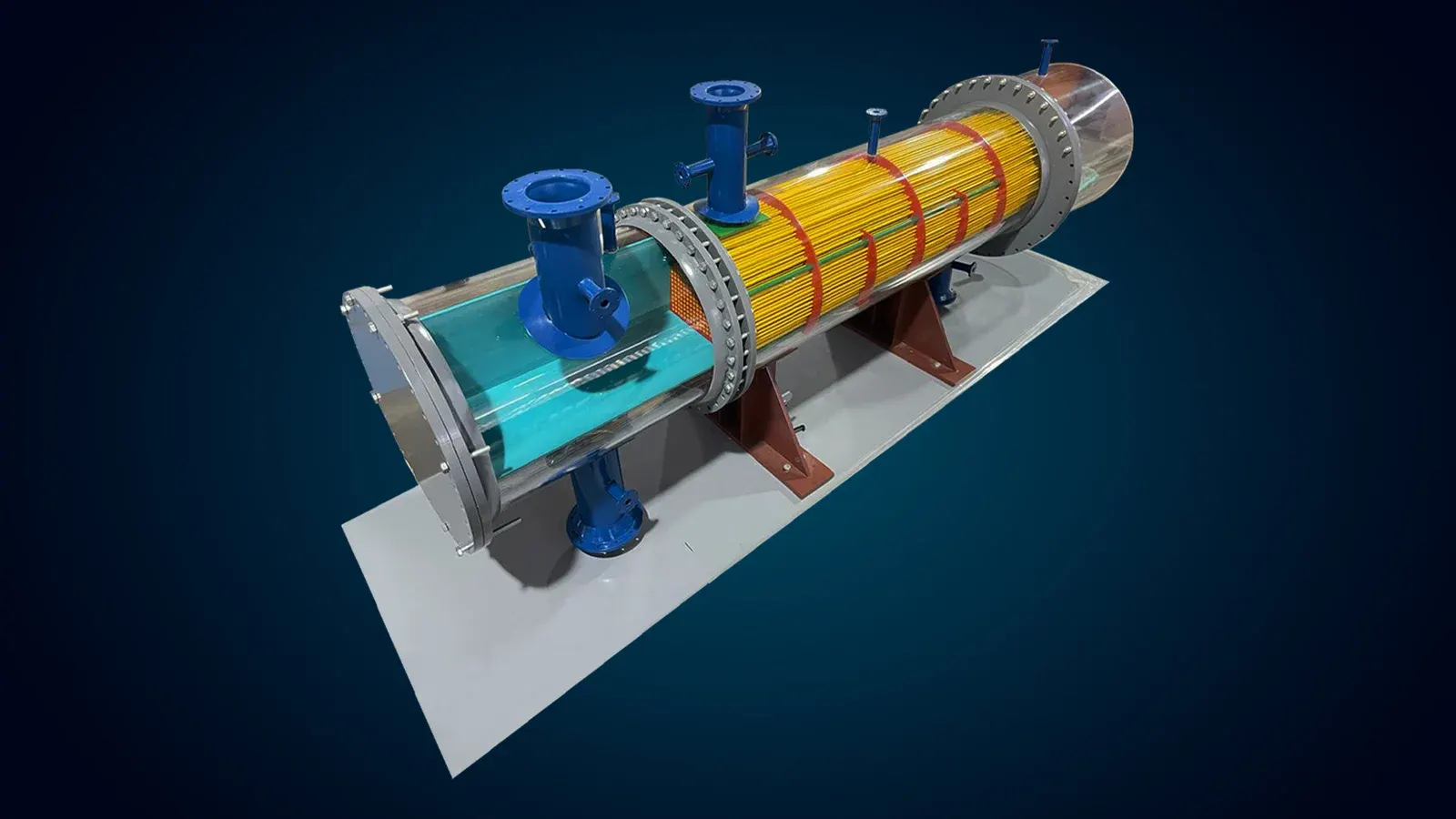
Heat Exchanger Model
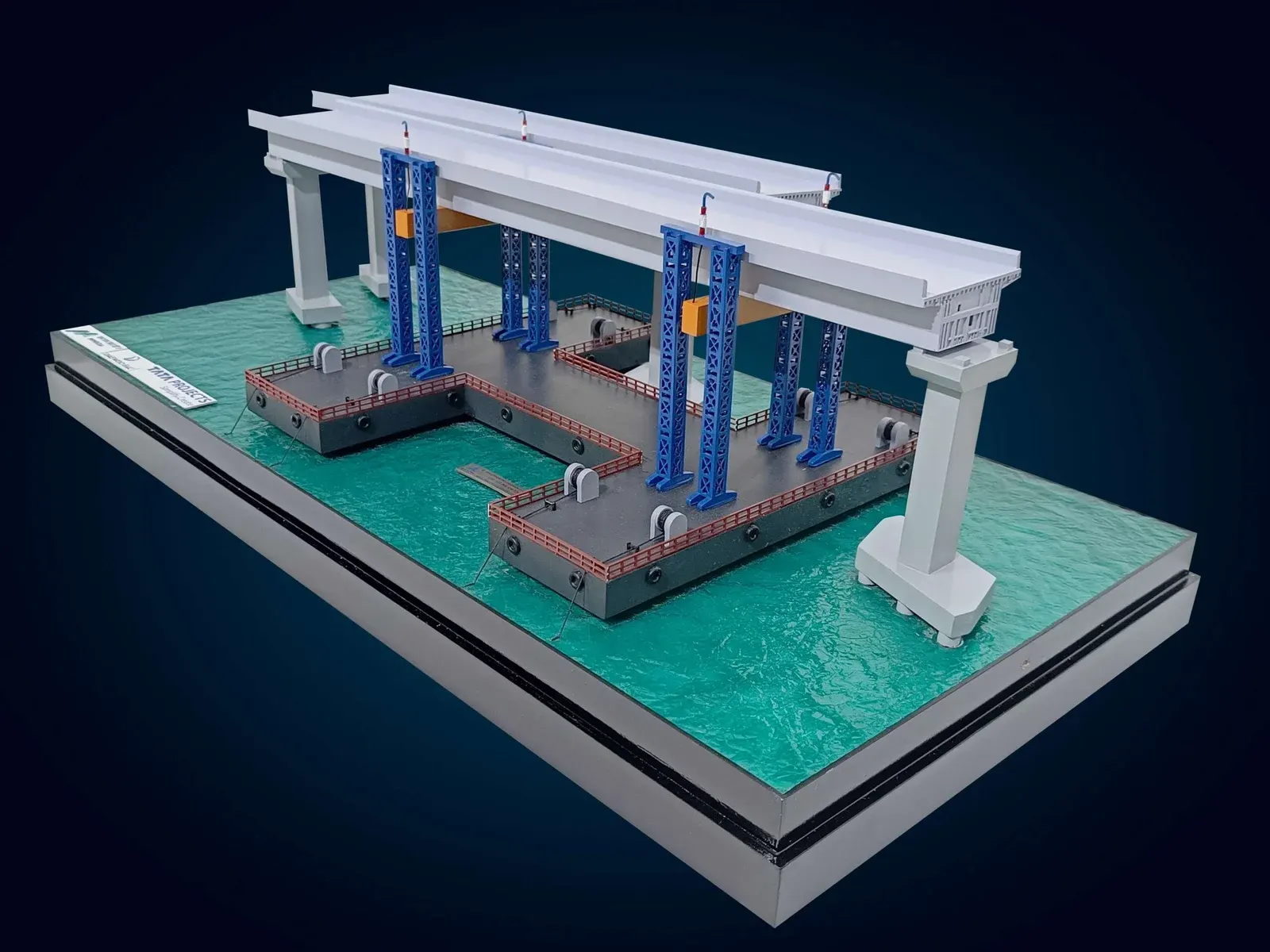
Barge Bridge Model
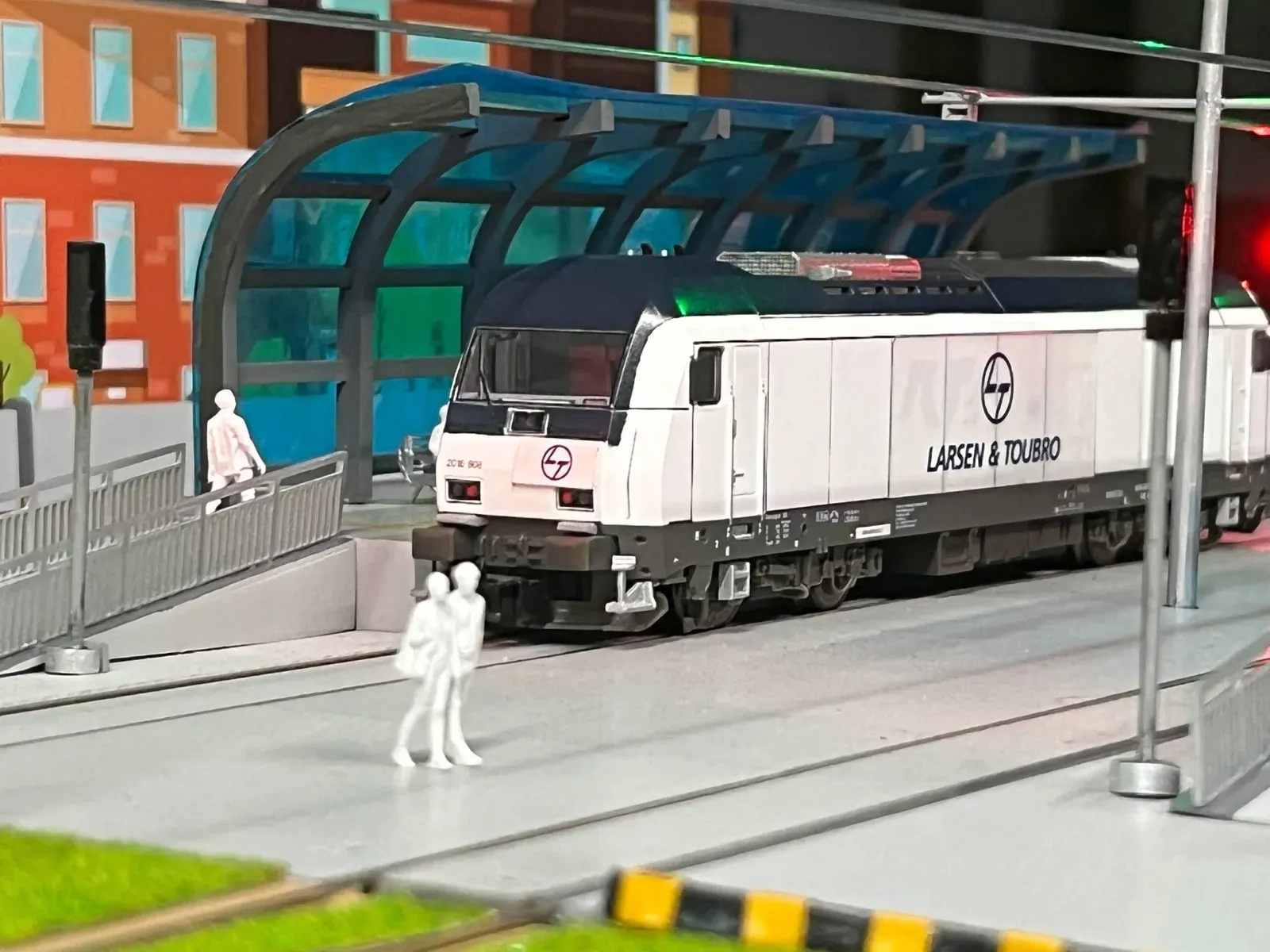
L&T Model
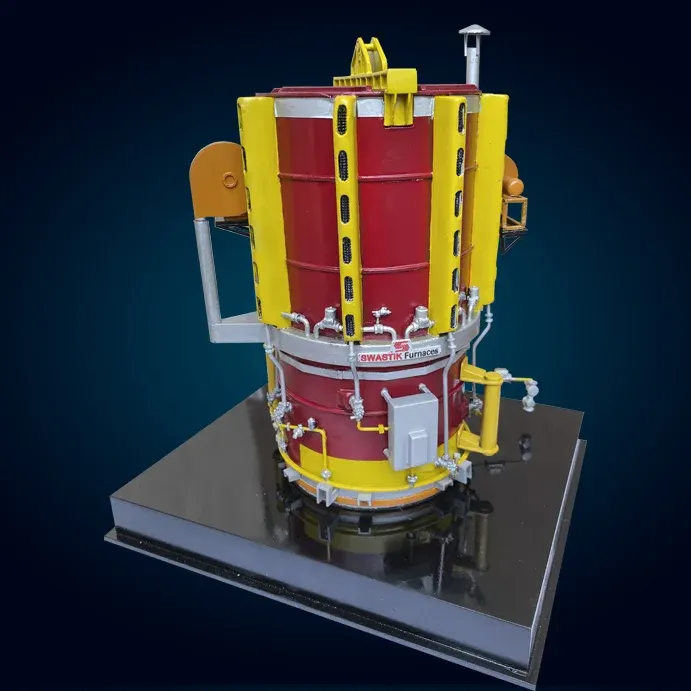
Heading Hood Model
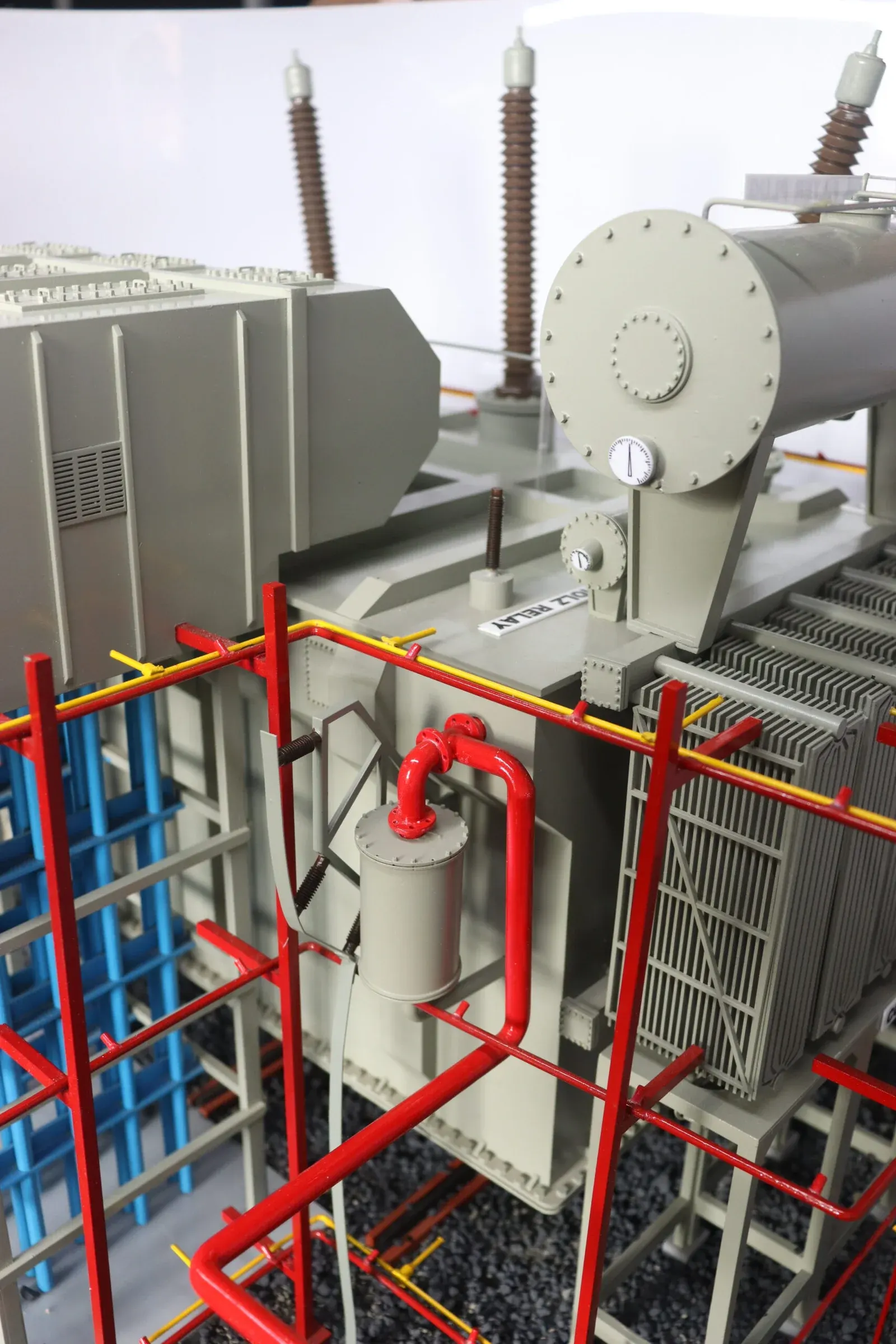
200k Transformer
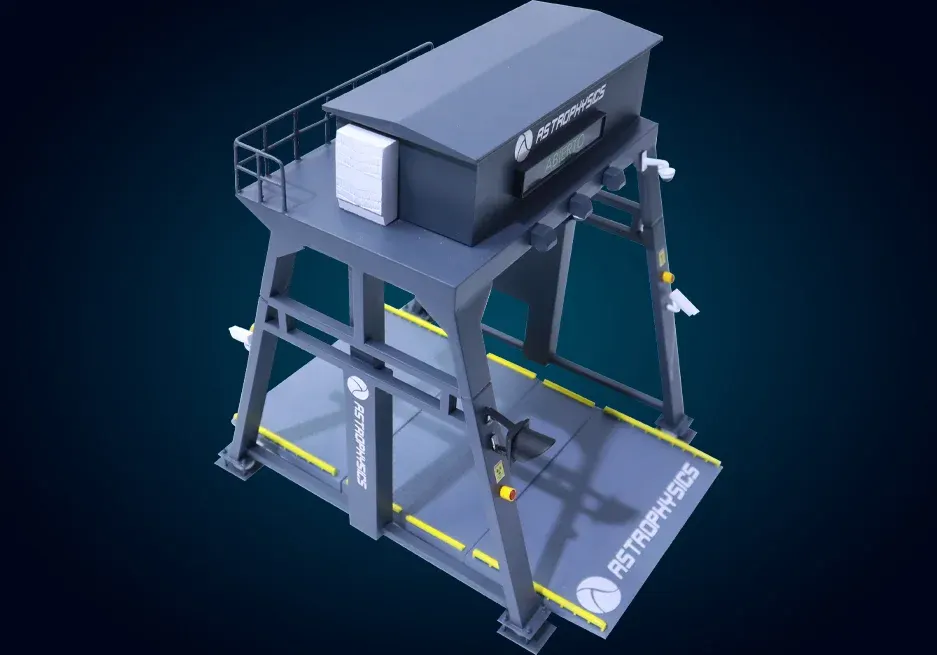
HXC LaneScan Miniature Model
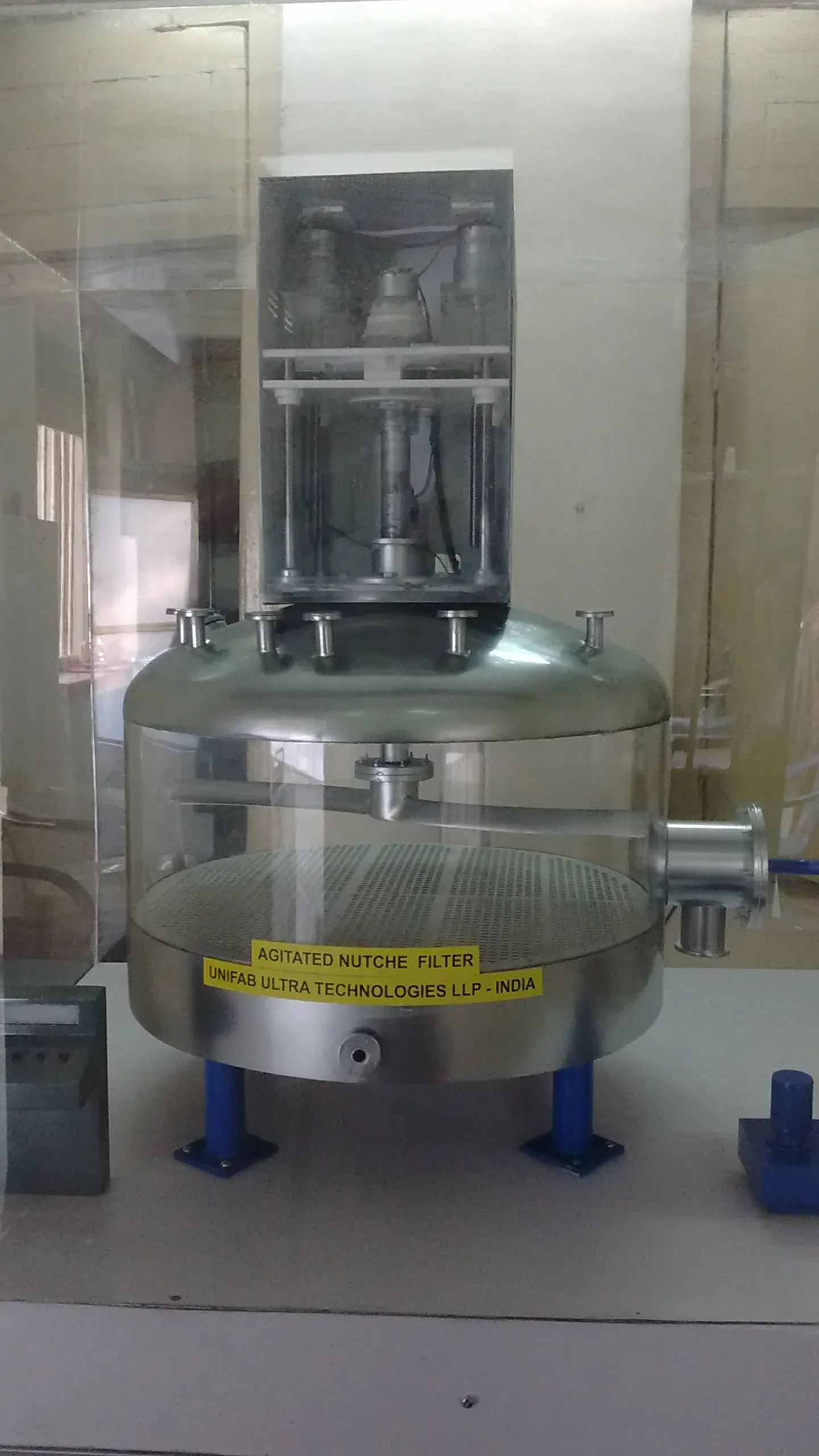
Agitated Nutche Model
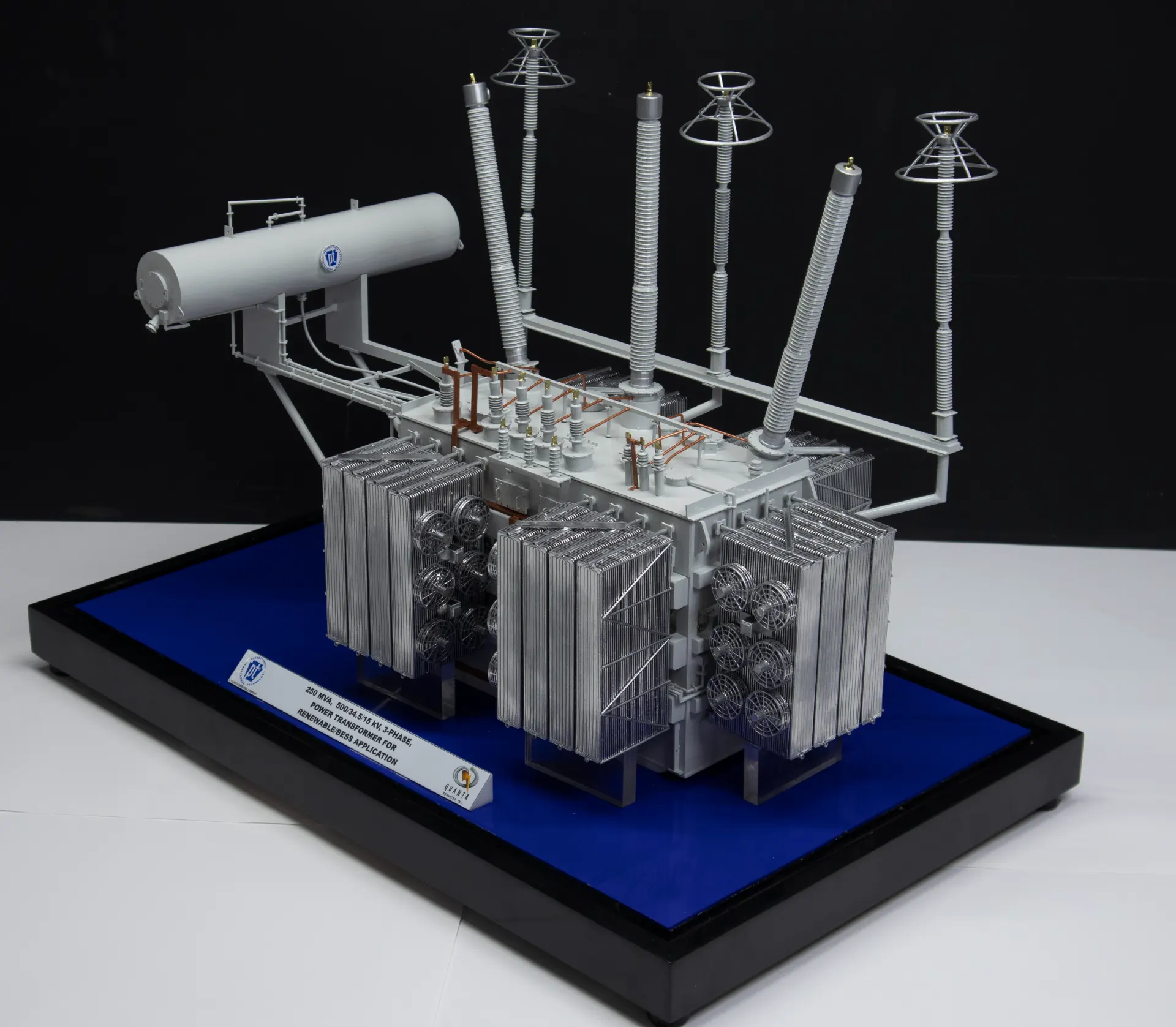
765 Kv Single Phase Transformer
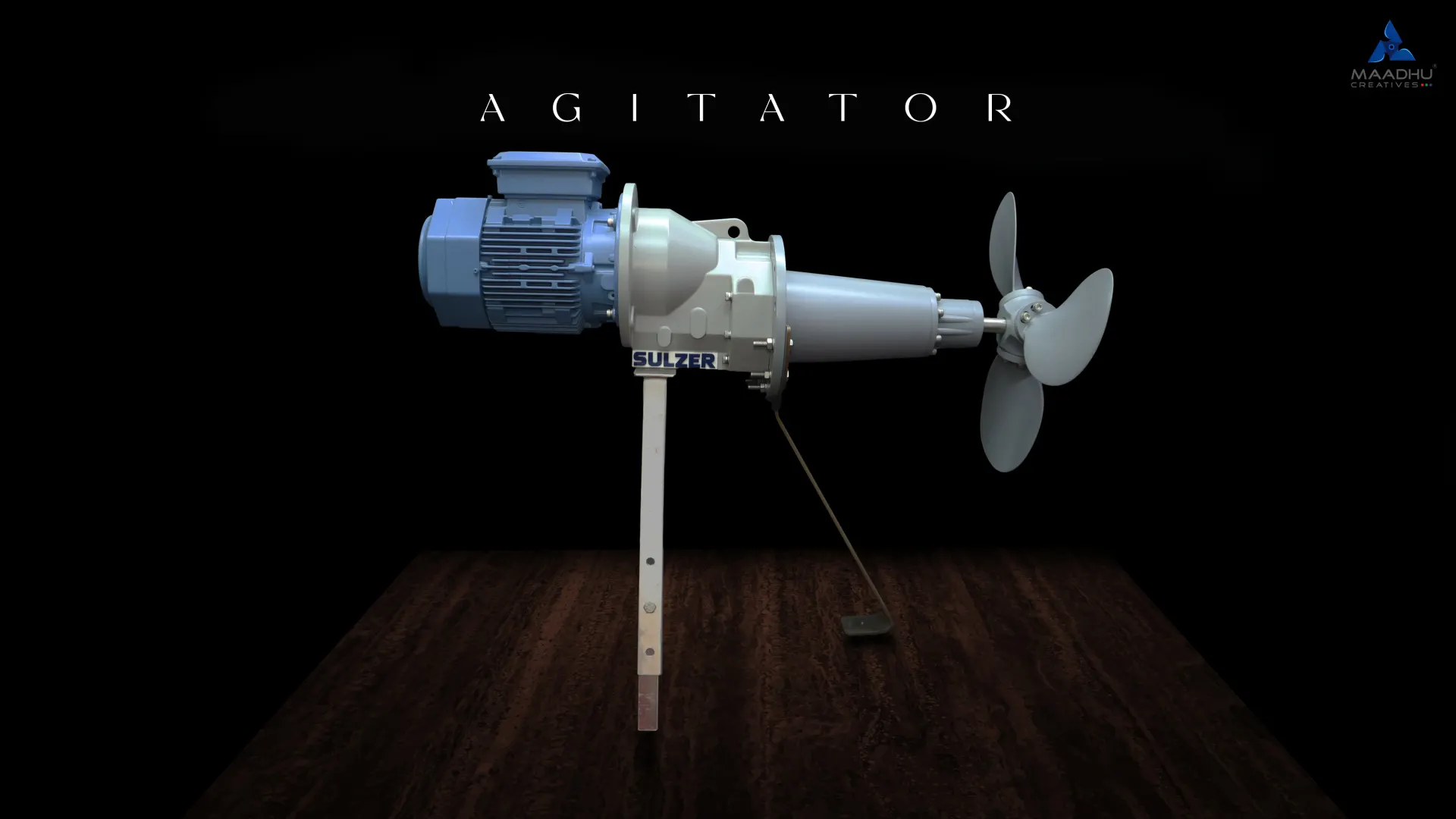
Agitator
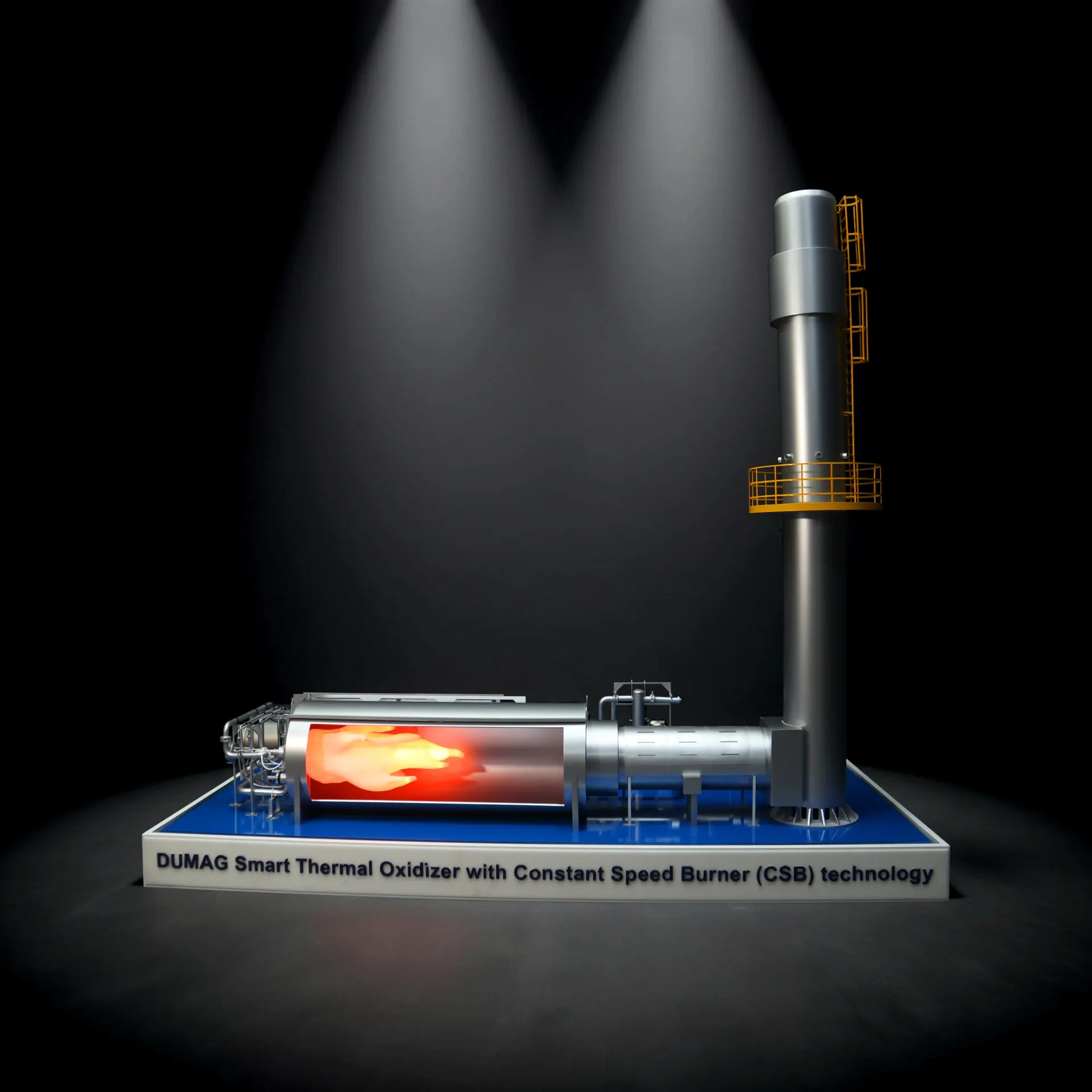
Burner Model
Centralized Refroid
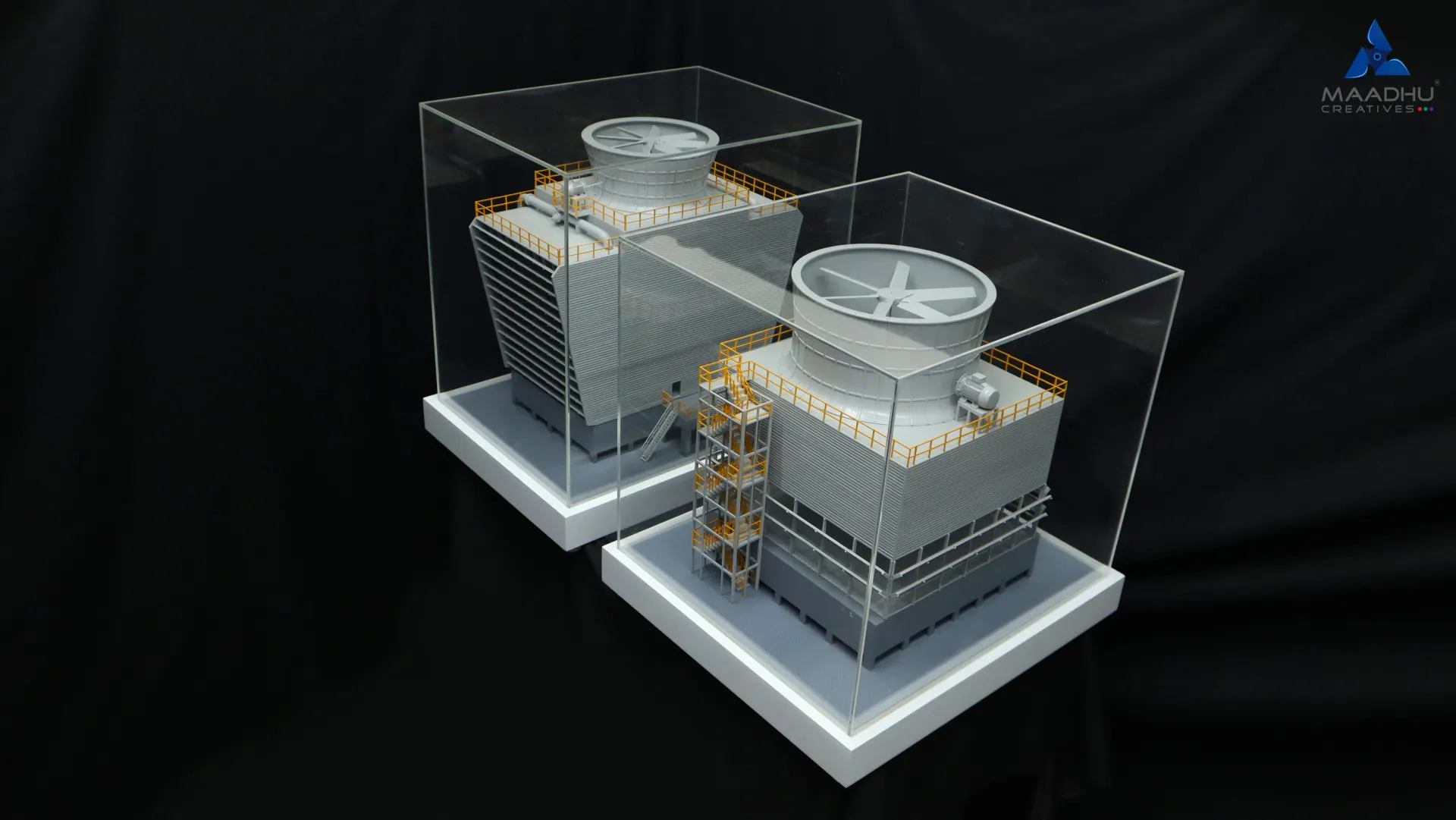
Counter Flow Cross Flow Gad
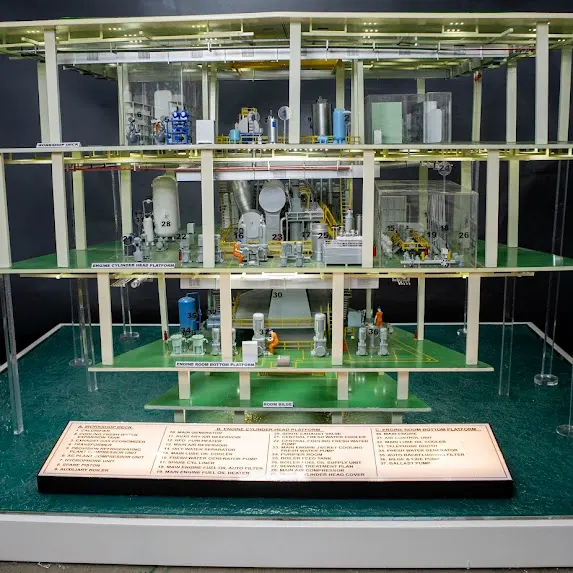
Engine Room Engineering Model
.webp)
Hprt 1
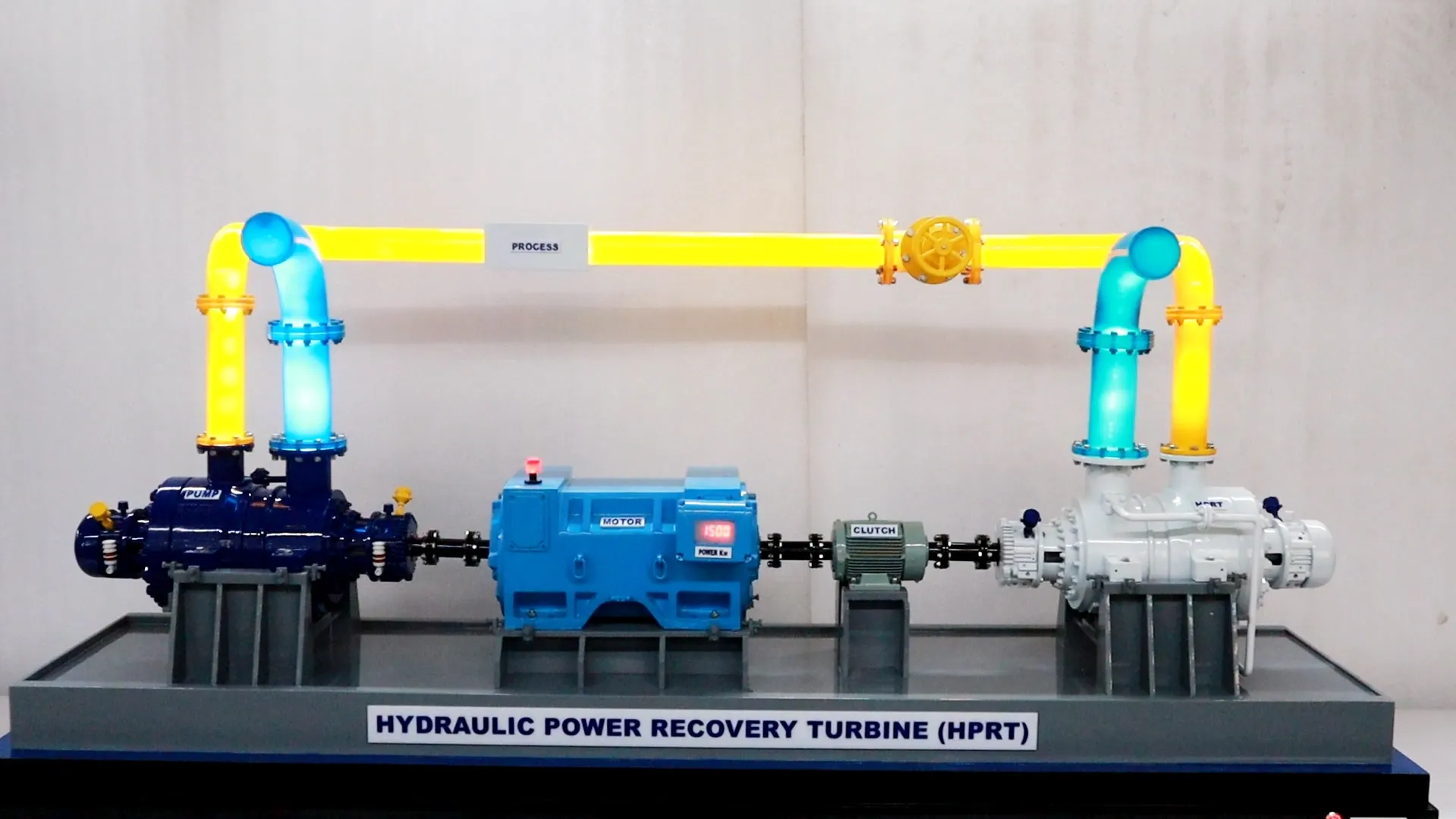
Hprt
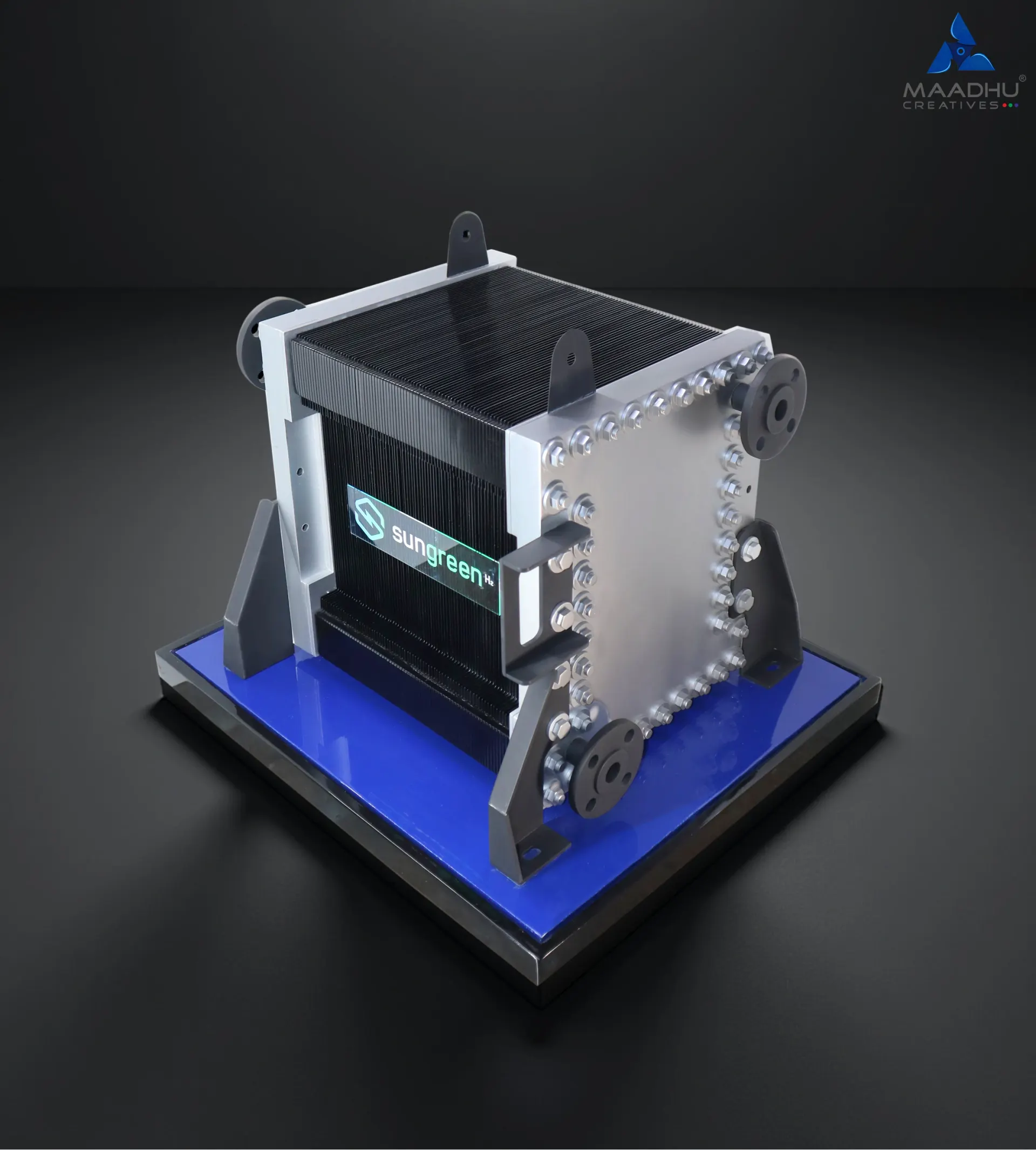
Hydrogen Electrolyzer Model
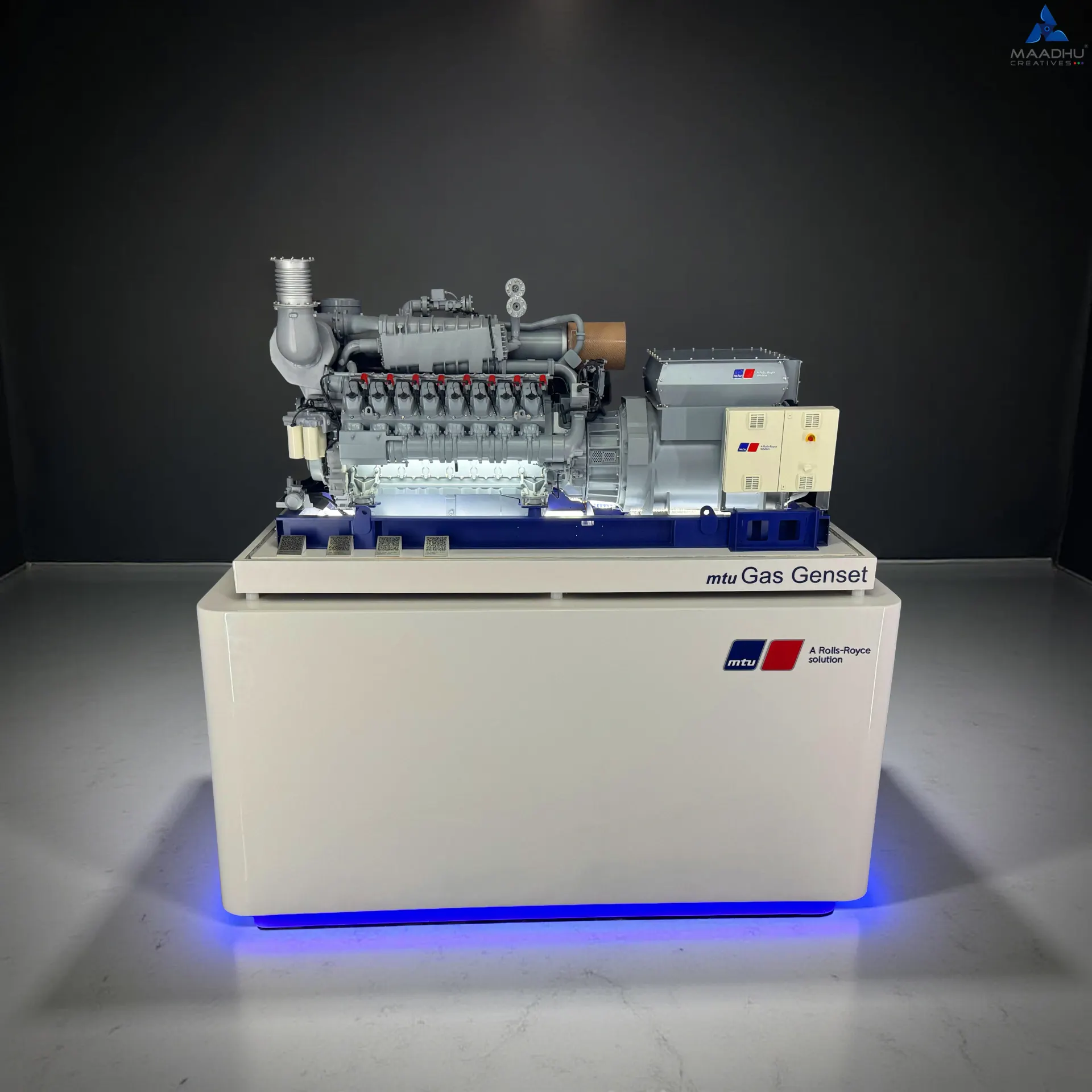
Mtu
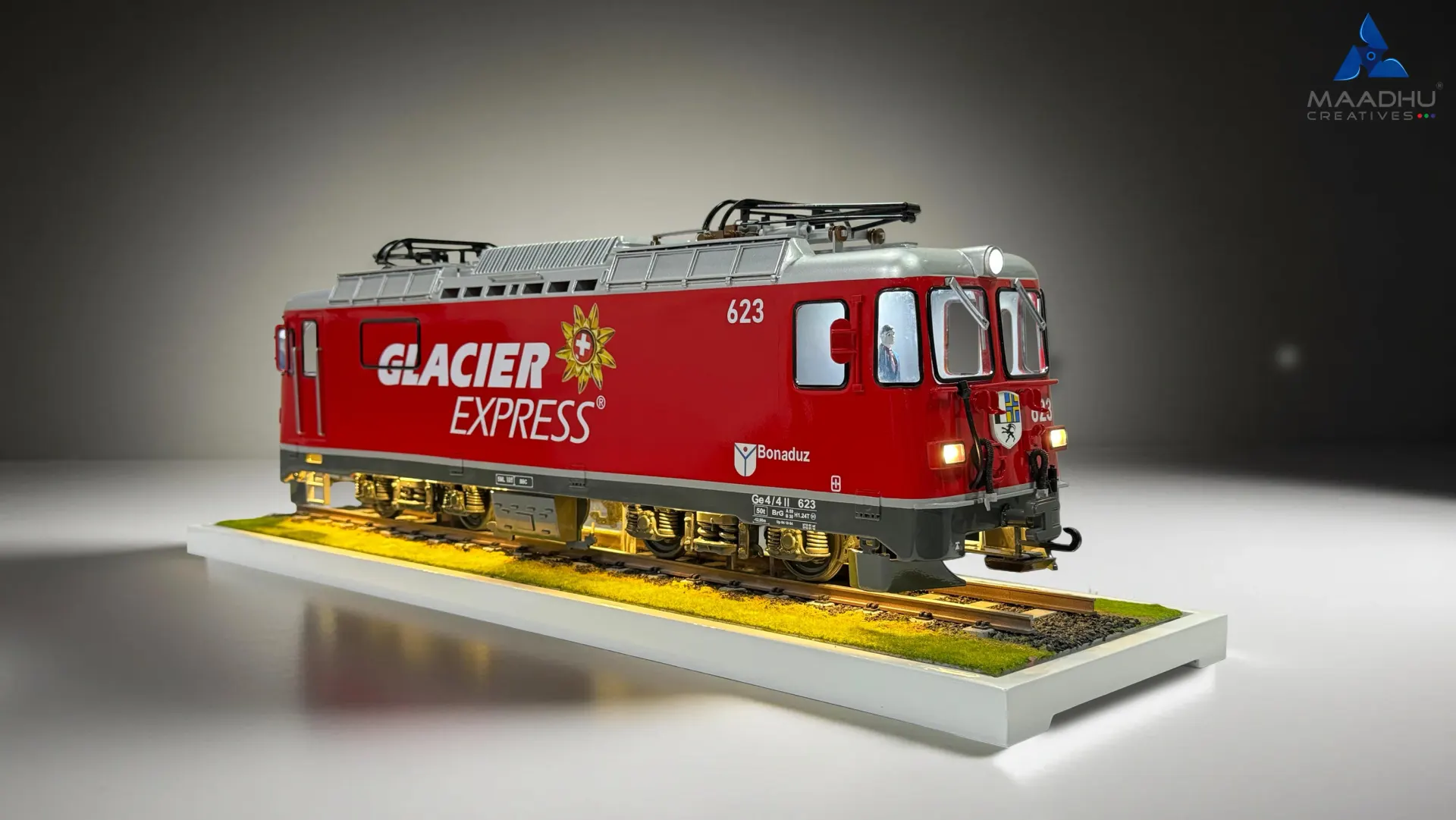
Red Train Model
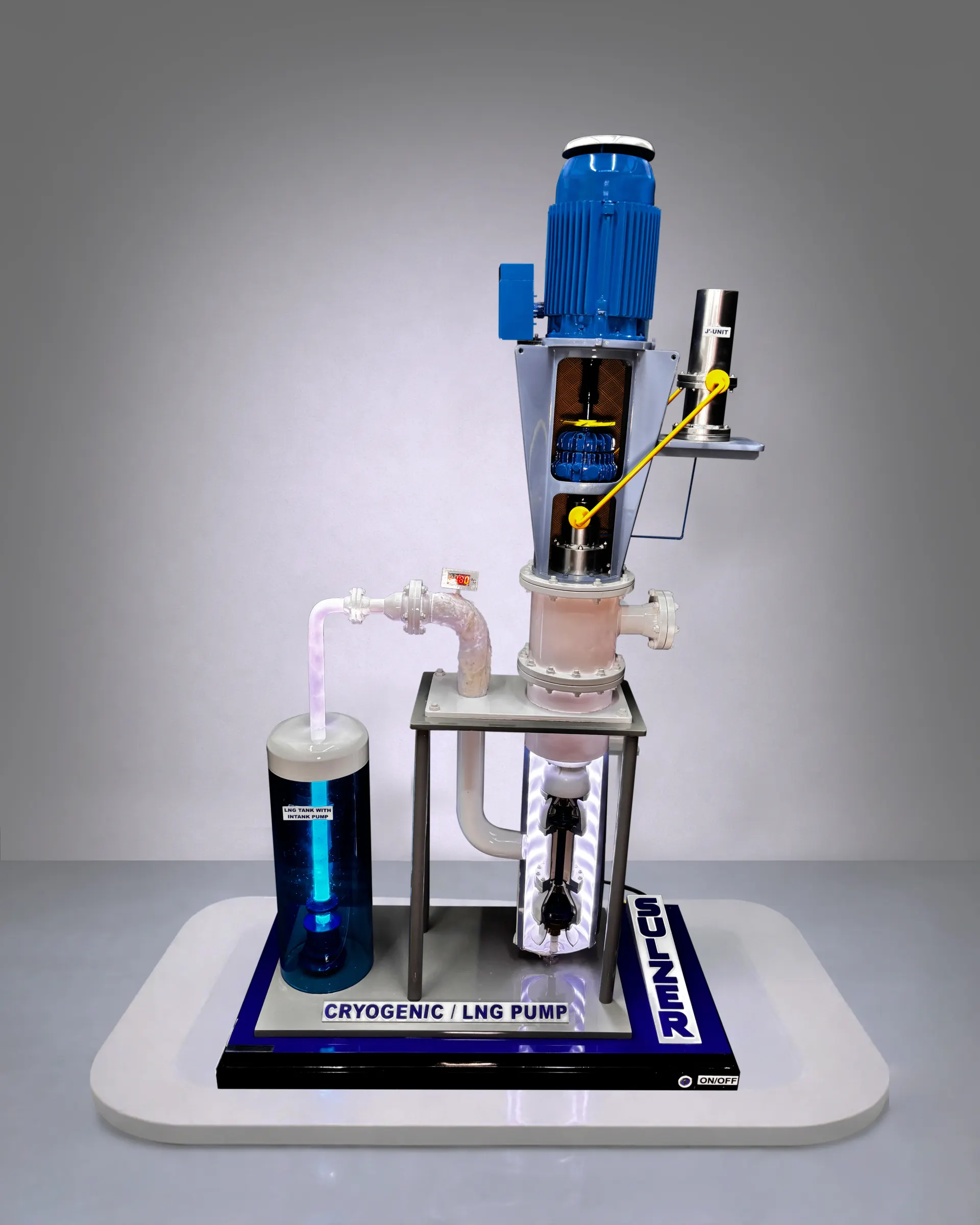
Sea Water Lift Pump
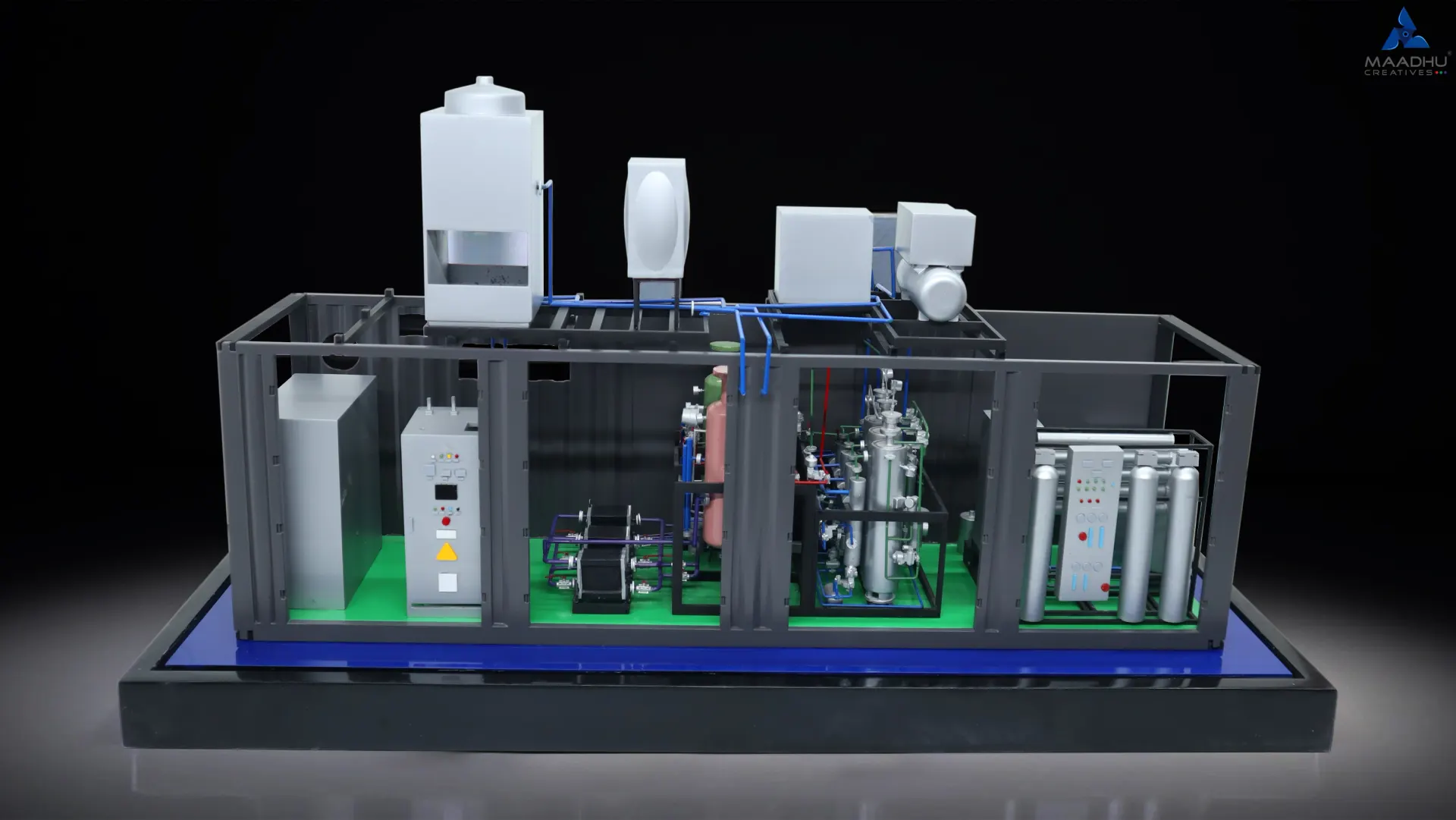
Battery Model
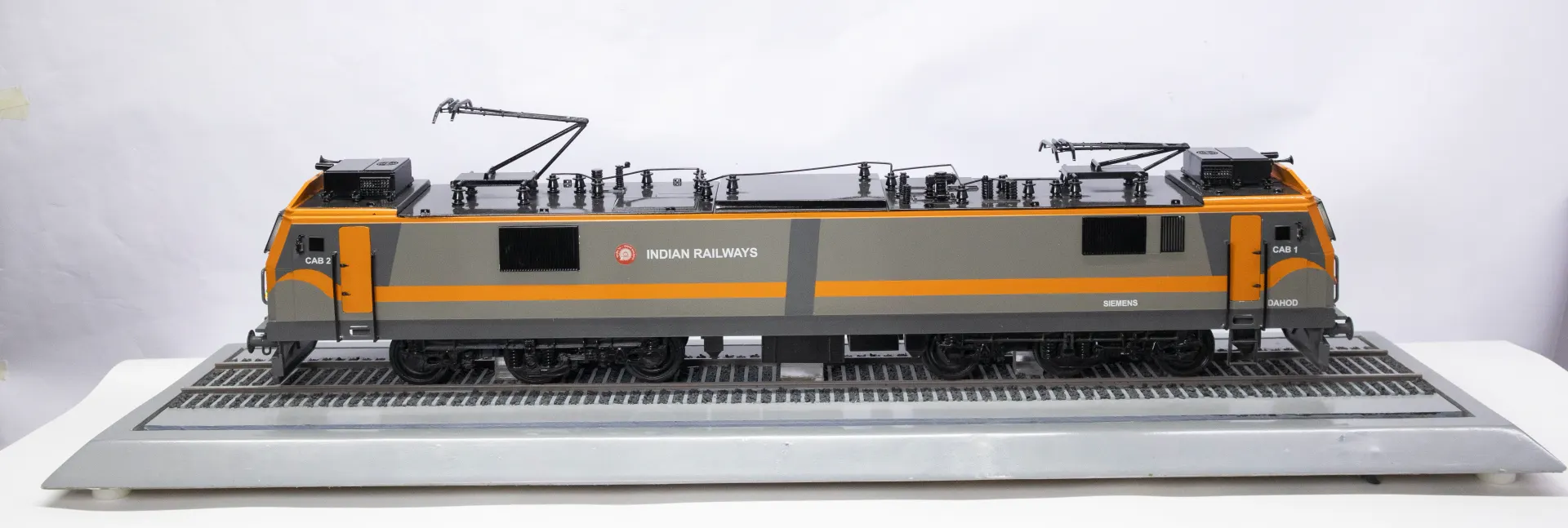
Engineering Train Model

Pad Mounted
Why Choose Our Engineering Model Making?
Clear Visualization
Engineering models turn complex ideas into simple 3D forms. They help people clearly see how a design will look and work in real life.
Better Communication
When everyone looks at the same model, it becomes easier to explain ideas and share feedback. This reduces confusion and improves teamwork.
Cost Savings
Models help find design problems early. Fixing issues at this stage saves money and avoids costly mistakes during production.
Prototyping and Testing
Models allow ideas to be tested before making the final product. This helps improve the design and makes it more reliable.
Reduced Risk
Engineering models help predict how a design will perform. This helps engineers fix problems early and reduce risks.
Market Readiness
Models are also useful for presentations. They help clients and investors understand the idea clearly before the actual product is made.
Start Your Model Project
Share your architectural drawings, CAD files, or concept sketches — our team will craft a model that elevates every presentation.
Frequently Asked Questions
Everything you need to know about our architectural exterior model making process.
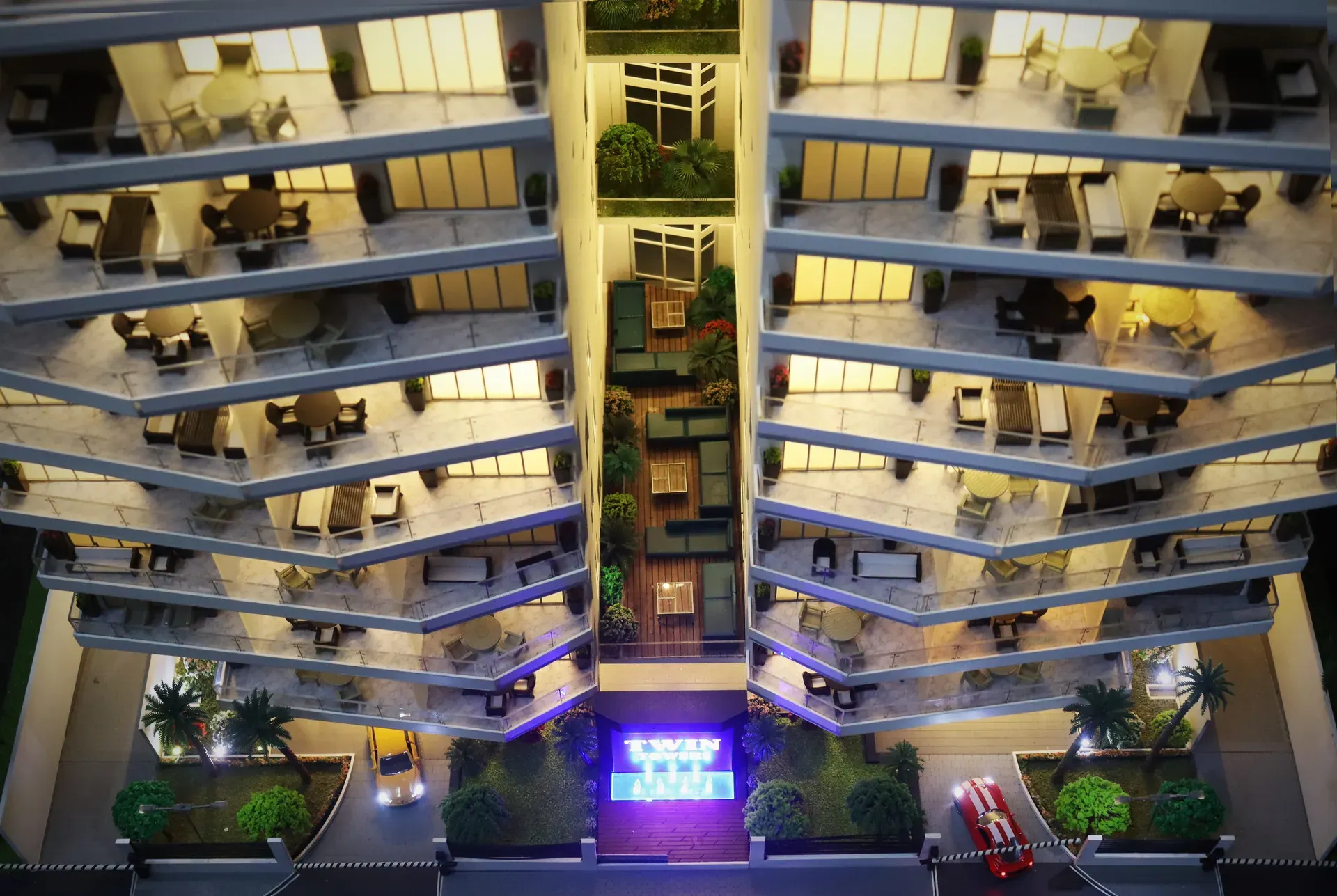
Maadhu Miniature produces a comprehensive range of high-precision scale models, customized to meet diverse industry needs. Our expertise spans across creating realistic representations for architectural, industrial, and engineering projects. We combine traditional craftsmanship with cutting-edge technology to deliver models that are not only visually stunning but also functionally informative, helping clients visualize complex designs with clarity.
- Architectural Models: Residential towers, commercial complexes, and master plans.
- Industrial & Engineering Models: Detailed machinery, plant layouts, and process flow prototypes.
- Marine & Offshore Models: Ships, rigs, and port infrastructure.
- Interior & Sectional Models: Showing internal layouts, furniture, and spatial flow.
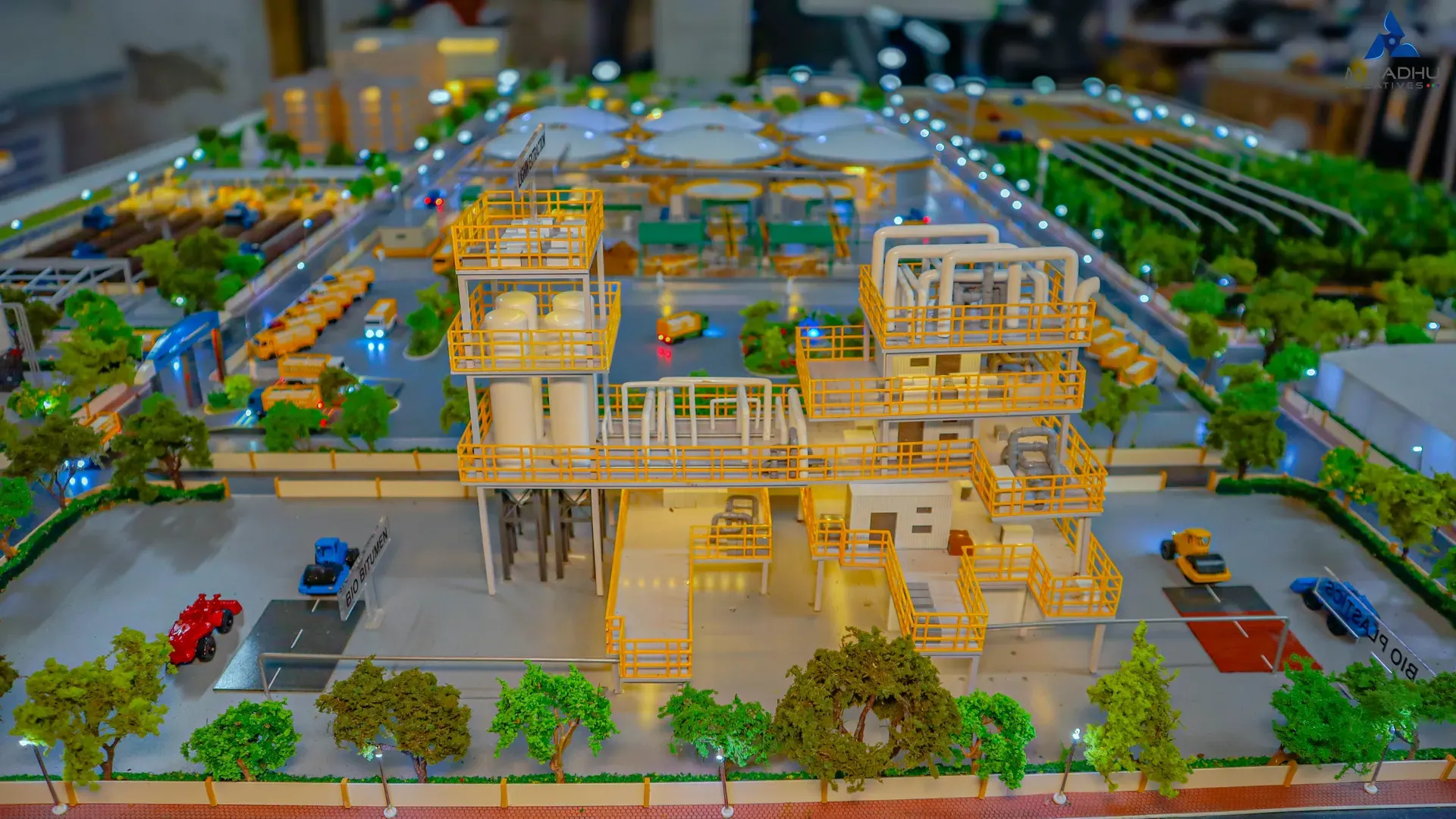
The cost of a scale model is not fixed; it is highly dependent on the specific requirements of each project. We provide tailored quotes that reflect the intricacy and scope of the work involved. While simpler conceptual models are more affordable, high-fidelity presentation models requiring premium materials and lighting systems will command a higher investment. Our team works with you to balance budget and impact.
- Complexity & Detail: The level of realism and fine detailing required.
- Scale & Size: Larger models or those with minute scales require more material and labor.
- Features: Interactive lighting, motorized parts, or cutaway sections.
- Urgency: Expedited timelines may incur additional costs for overtime resources.
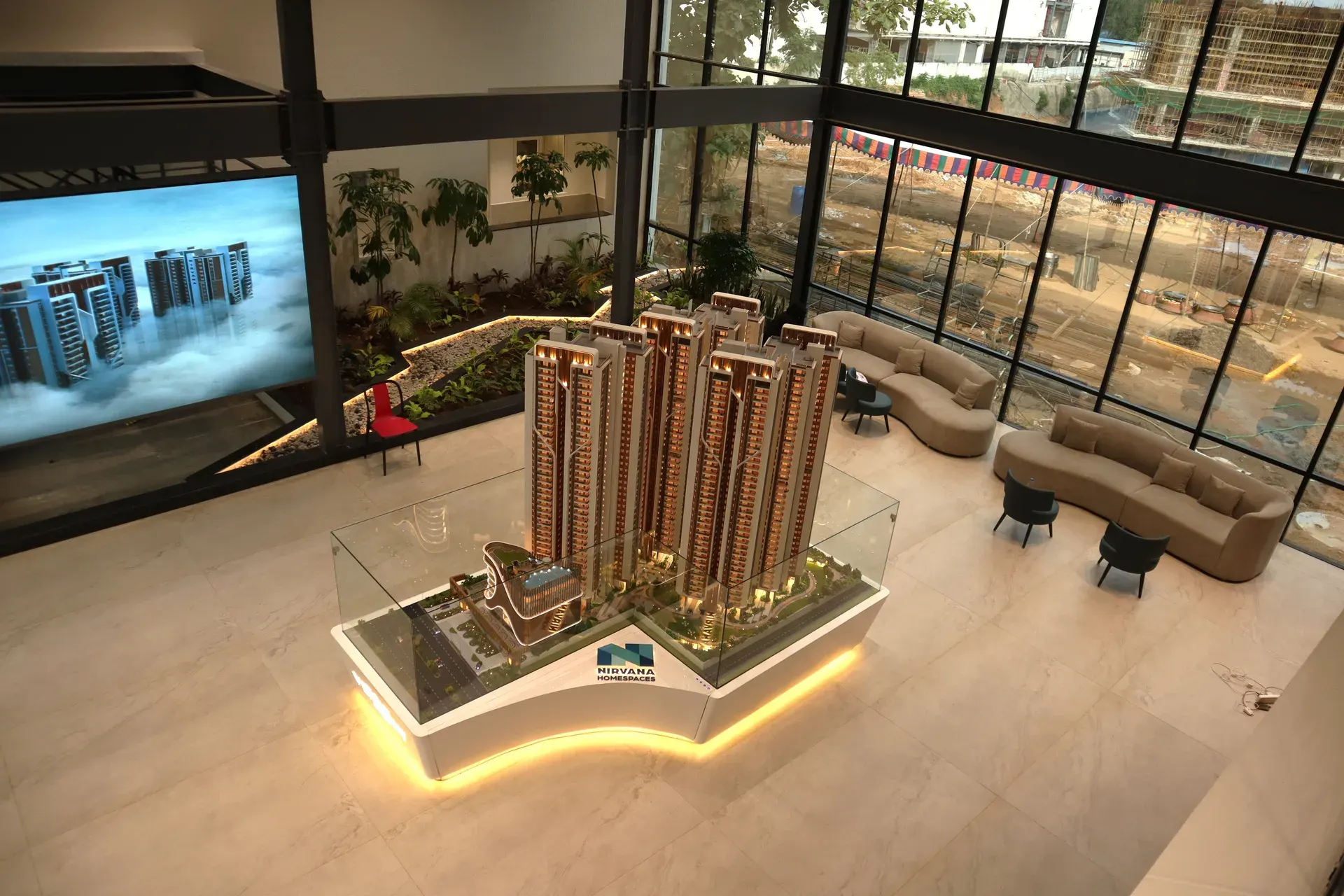
To build an accurate and high-quality scale model, we require a comprehensive set of design documents. The more information you provide, the closer the final model will match your vision. Our process begins with a thorough review of your files to identify any potential challenges or opportunities for enhancement before construction begins.
- CAD Drawings (DWG/DXF): Floor plans, elevations, and sections are essential.
- 3D Files: SketchUp, Rhino, or Revit files help us understand the volume and geometry.
- Material References: Color palettes, texture images, and finish specifications.
- Site Photography: For landscape or context models, photos of the actual site are helpful.
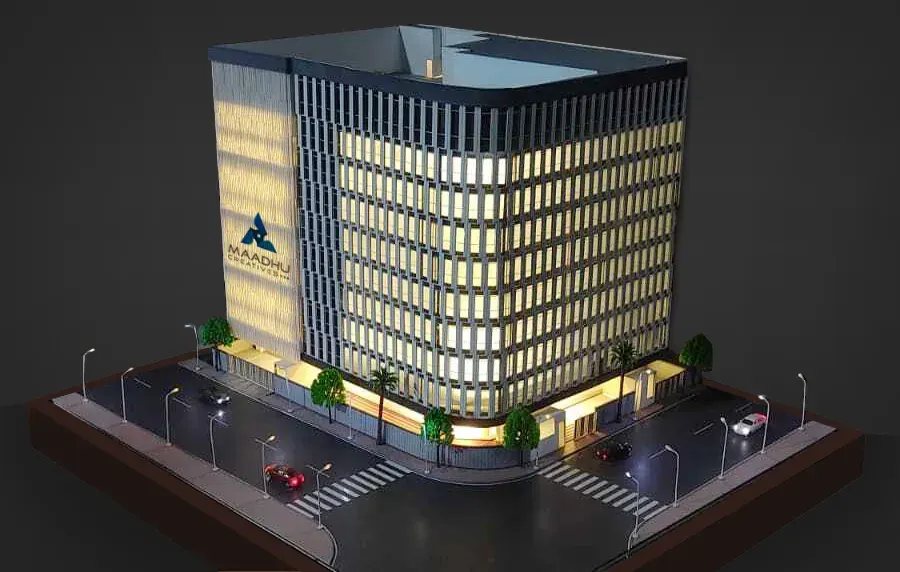
Our standard timeline for completing a scale model ranges from 25 to 45 days, but this is tailored to the project's scope. We pride ourselves on punctuality and will provide a detailed schedule at the start of the project. We also offer milestone updates so you can track the progress from the initial laser cutting to the final assembly and finishing touches.
- Standard Projects: Typically 3-4 weeks for average architectural models.
- Complex/Large Scale: 6-8 weeks for master plans or highly detailed industrial models.
- Review Cycles: Changes requested during the review phase may influence the final delivery date.
- Expedited Delivery: Urgent requests can be accommodated with a dedicated team.
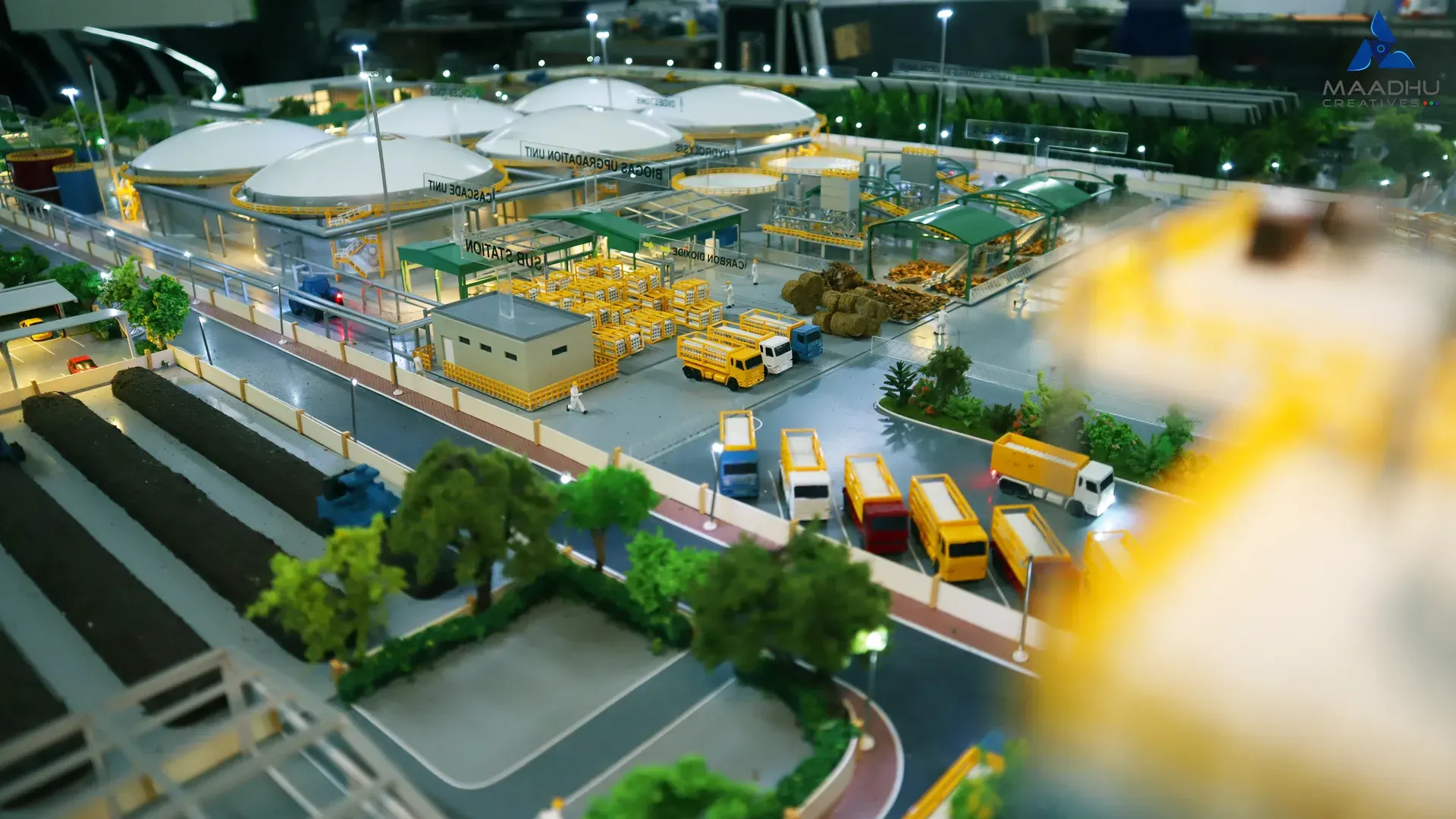
Selecting the right scale is a critical decision that balances the amount of detail you want to show with the physical size of the model. The purpose of the model often dictates the scale: sales models need to be impressive and detailed, while planning models focus more on massing and context. We guide you through this selection based on where the model will be displayed.
- 1:100 to 1:200: Ideal for single buildings or residential complexes to show facade details.
- 1:500 to 1:1000: Best for master plans and large urban developments to show site context.
- 1:20 to 1:50: Perfect for interior models and detailed mockups.
- Display Constraints: Consider door widths and table sizes when choosing the final dimension.
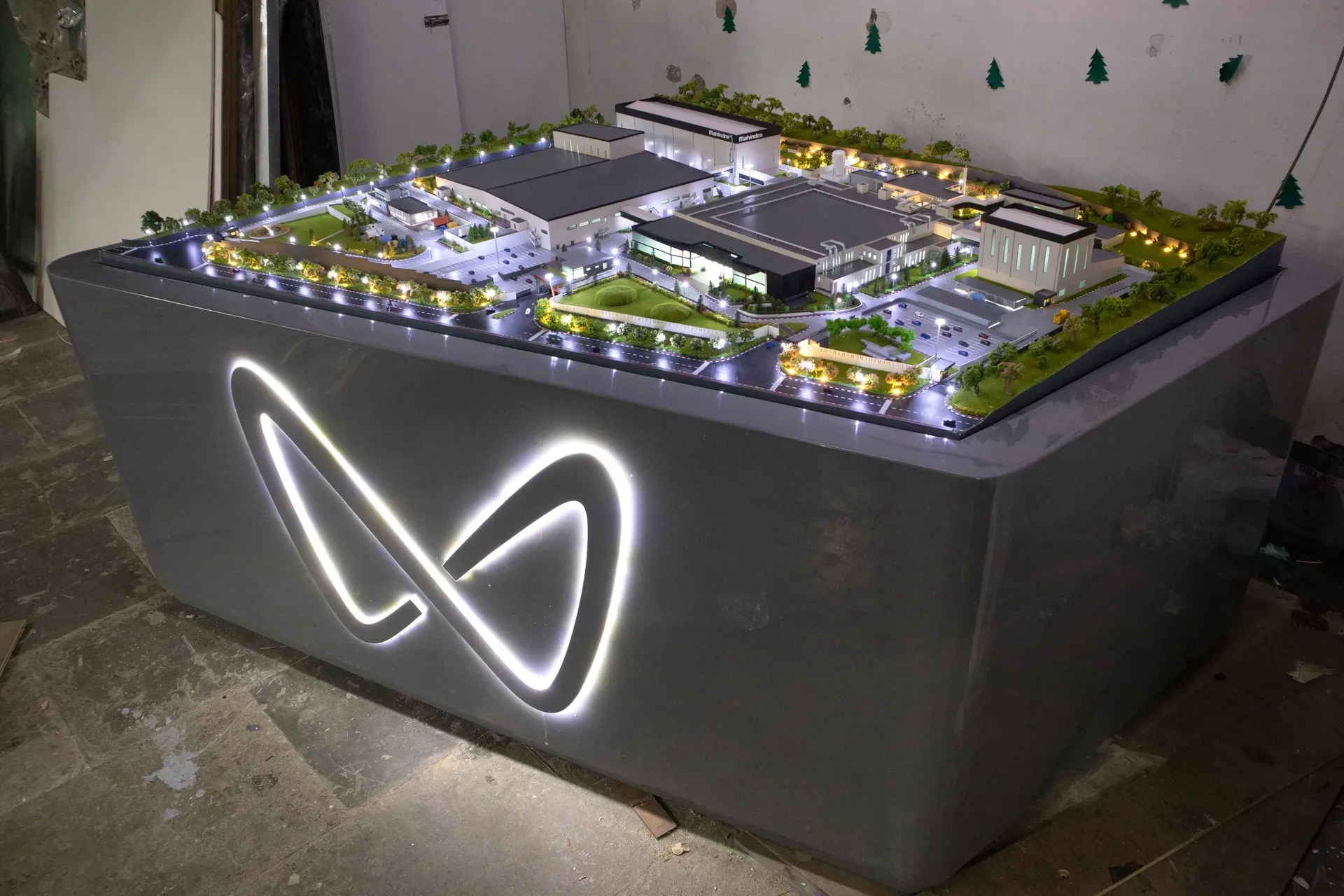
We use a diverse palette of high-quality materials to ensure durability and aesthetic appeal. Our choice of material depends on the desired finish—whether it's an abstract, conceptual look or a hyper-realistic presentation. Advanced laser cutting and 3D printing technologies allow us to work precisely with these materials to create intricate components.
- Acrylic & Plexiglass: For sharp, clean lines and glass facades.
- High-Density Polyurethane (Chemical Wood): For detailed carving and durable base structures.
- Wood & Veneers: To add warmth and a natural touch to bases or conceptual models.
- 3D Printing Resins: For complex geometries and fine organic shapes.
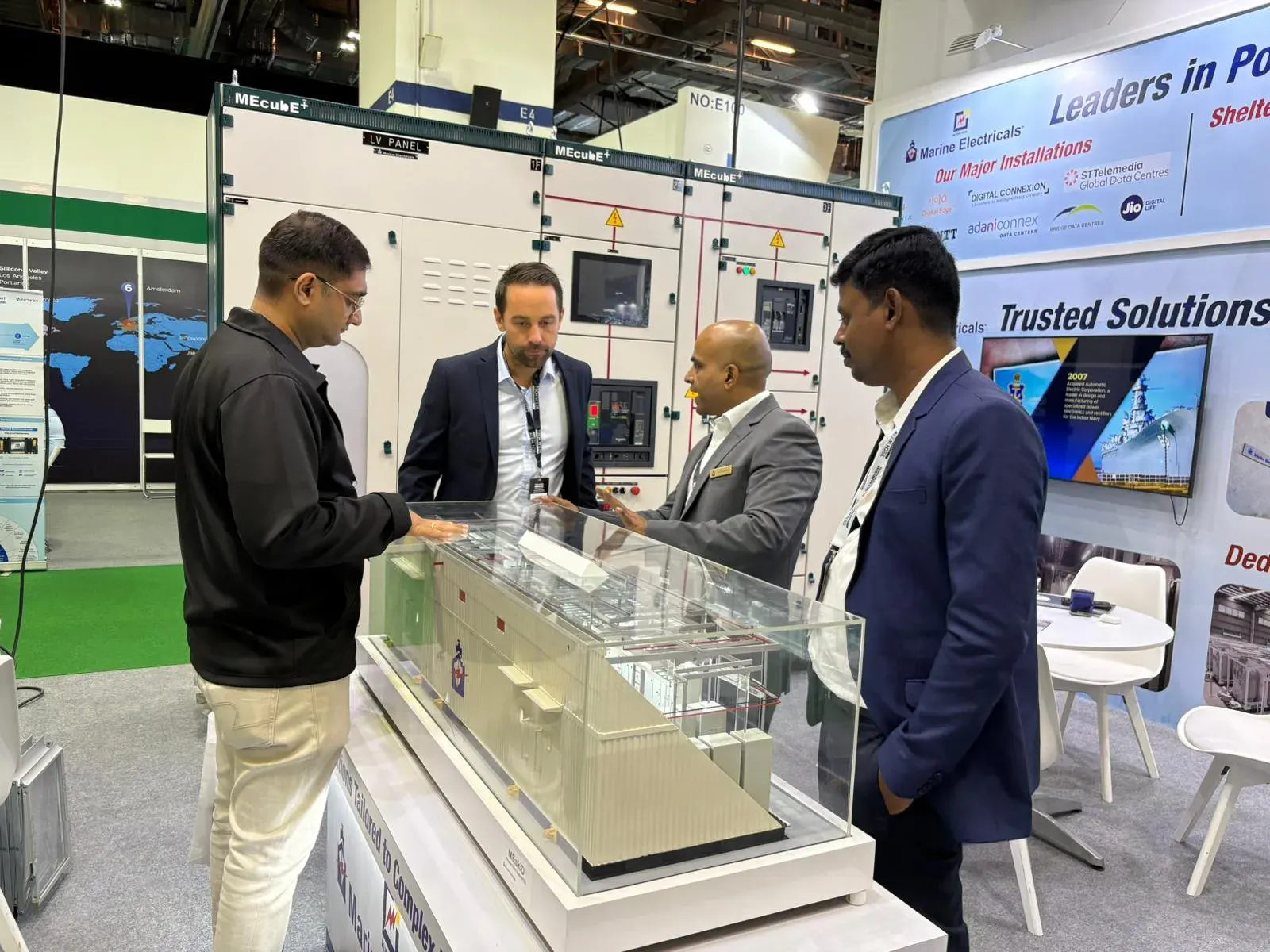
Yes, we highly encourage client visits! Seeing the model-making process firsthand is an experience in itself. It allows you to meet the artisans working on your project and discuss details in real time. Our studio is equipped to host meetings where we can review materials, samples, and progress stages of your model.
- Schedule an Appointment: Please call or email us ahead of time to ensure the relevant team members are available.
- Review Samples: Physcially see and touch material samples to make informed decisions.
- Workshop Tour: Get a behind-the-scenes look at our laser cutters, 3D printers, and assembly stations.
- Face-to-Face Consultation: Solve complex design queries instantly with our technical leads.
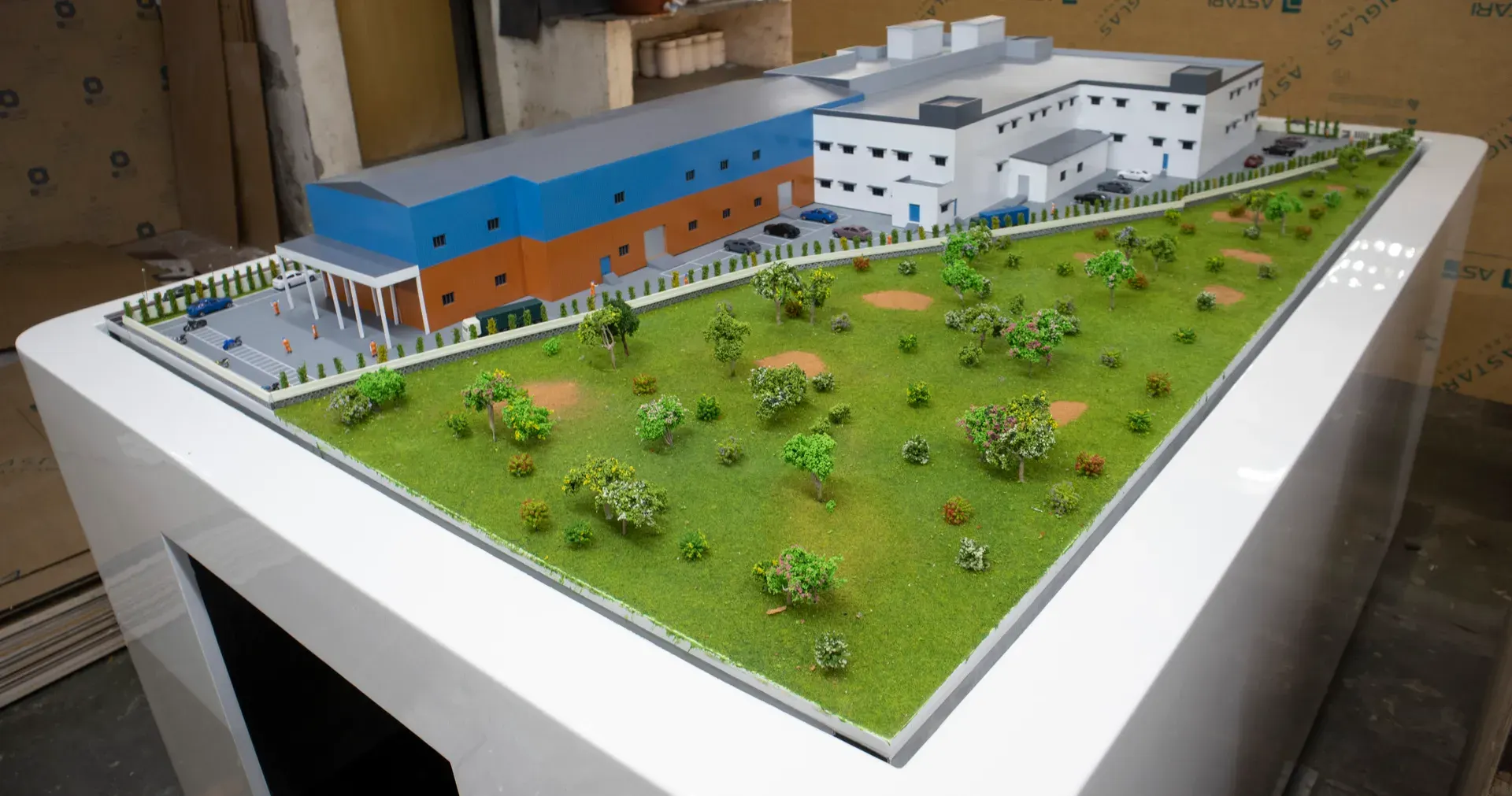
Delivery is a crucial phase, and we handle it with extreme care. Depending on the model's size and destination, we offer various delivery methods. For local projects, our team often personally delivers and installs the model. For international or long-distance shipping, we construct custom flight cases or heavy-duty crates to ensure the model arrives in pristine condition.
- Custom Crating: Foam-lined wooden crates designed specifically for your model's dimensions.
- Global Logistics: Partnerships with reliable freight forwarders for secure international transport.
- On-Site Installation: Our team can travel to your site to unpack and set up large display models.
- Insurance: All shipments are fully insured against transit damage for your peace of mind.
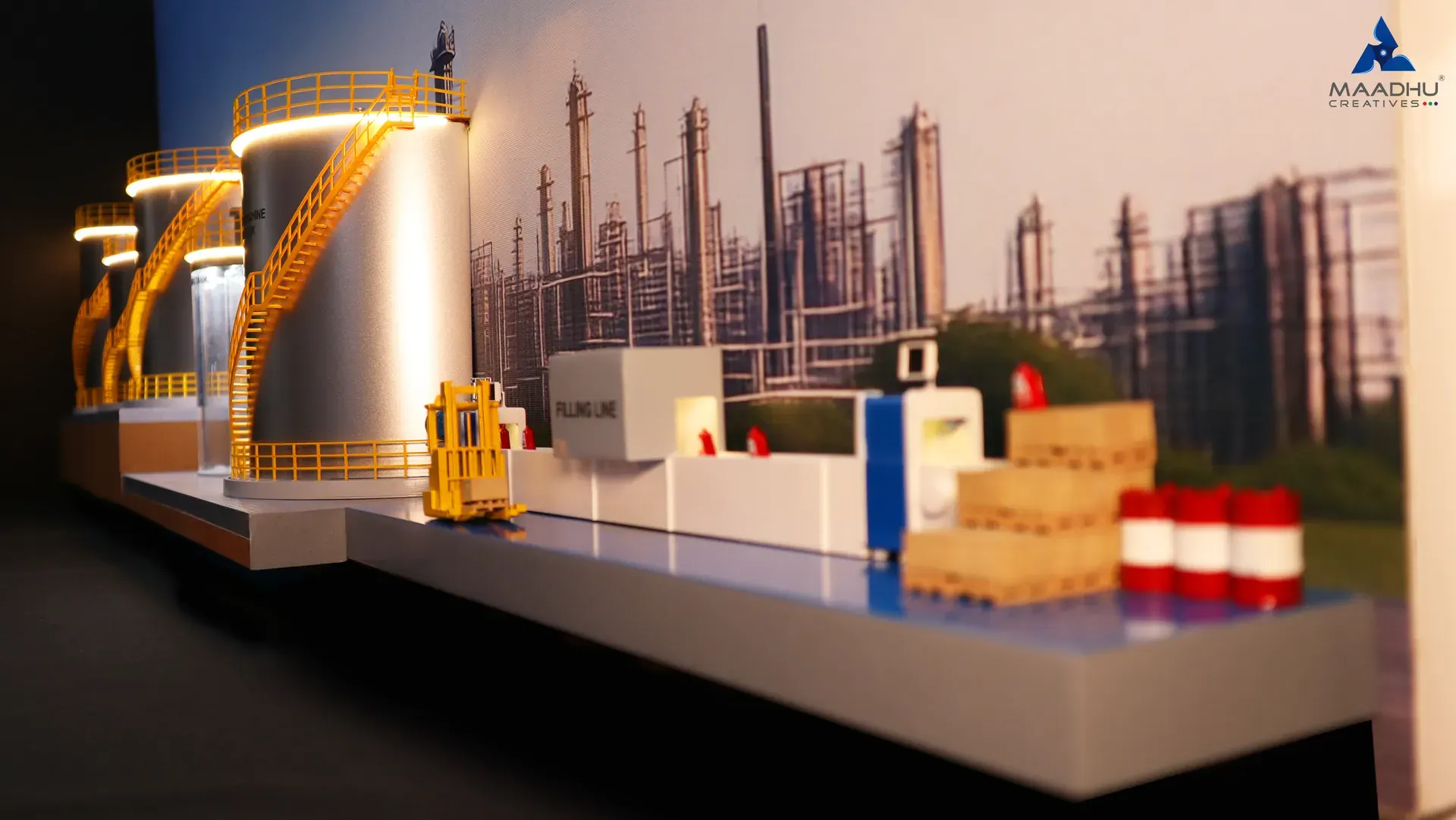
While an in-person review is always welcome, it is not strictly necessary. We have a robust remote approval process designed for our global clientele. We provide high-resolution photographs and video walkthroughs of the completed model from every angle. This digital approval ensures you are completely satisfied with the quality and details before we proceed with packing and shipping.
- HD Documentation: Detailed photos of all key areas and features.
- Video Call Reviews: Live video sessions where we can manipulate the model per your instructions.
- Feedback Integration: Any final minor tweaks can be requested and verified remotely.
- Efficiency: Saves you travel time while maintaining full control over the final result.
Safety is our top priority. We have a zero-damage record thanks to our meticulous packing standards. Whether traveling by road, air, or sea, we use industry-grade shock-absorbing materials and rigid external casing. We also include shock sensors (upon request) to monitor handling during transit, giving you complete assurance that your investment is protected every step of the way.
- Shock Absorption: Custom-cut foam inserts cradling critical components.
- Rigid Casing: Heavy-duty plywood flight cases with metal reinforcements.
- Secure Fastening: Internal straps and blocks to prevent movement inside the crate.
- Handling Instructions: Clear labeling and "Fragile" warnings for logistics haldlers.
Engineering model making is the process of creating a three-dimensional model of a product, machine, or structure to clearly understand its design and functionality before actual construction or production.
Engineering models are used to visualize concepts in a clear way, test design ideas, and improve accuracy before moving into the final production or construction stage.
Yes, modifications can be made during the development stage to ensure the final model matches the design requirements and expectations accurately.
They help clients clearly understand the project design, making it easier to review concepts, approve plans, and suggest improvements at an early stage.
The cost depends on the size of the model, level of detailing, materials used, and the overall complexity of the design.
Yes, clients are welcome to visit our workshop to inspect the model and review the ongoing progress of their project.
Yes, you can share your feedback during the visit, and we will make necessary adjustments based on your requirements and approval.
Get in Touch with Us
Reach out to Maadhu Miniatures—let us help grow your business.
